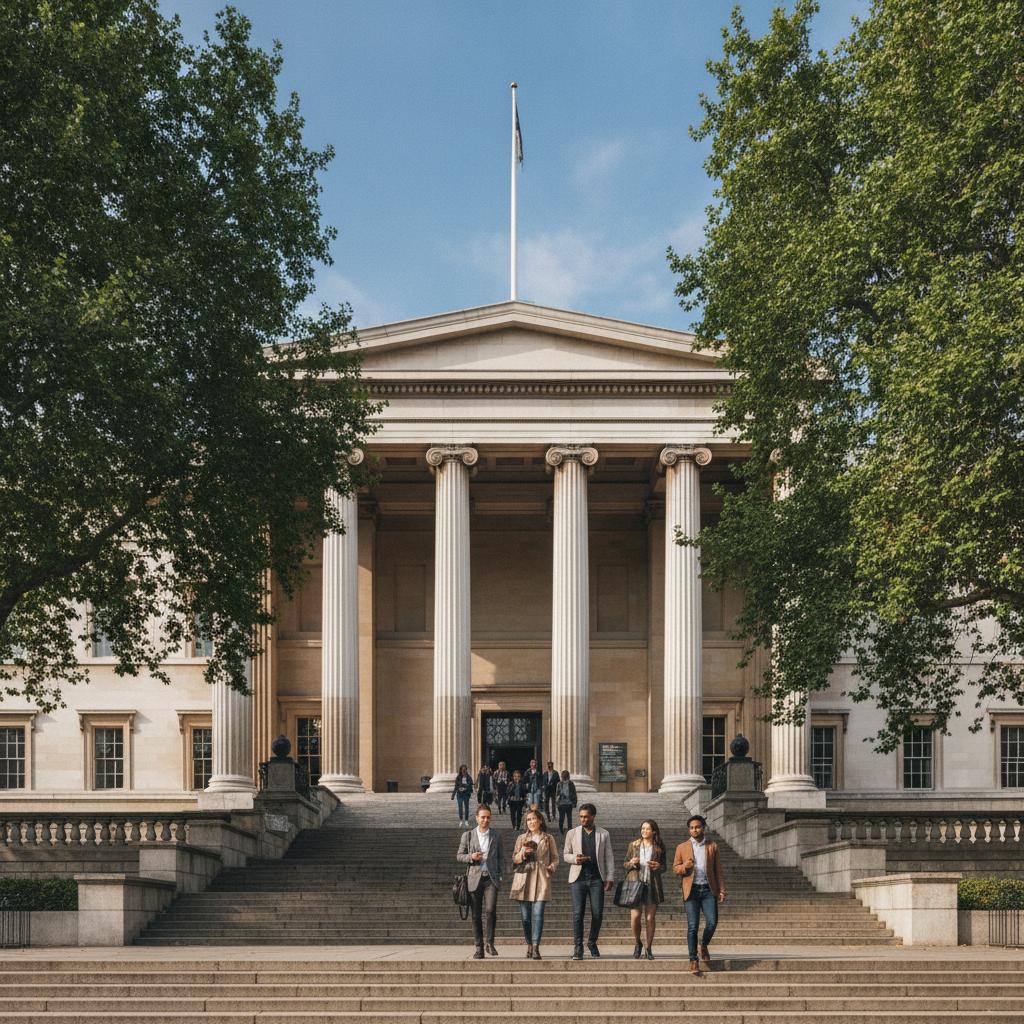
World Museums: British Museum
Located in the heart of London, the British Museum is one of the most impressive and comprehensive museums in the world, dedicated to human history, art, and culture. Embracing the cultural heritage not only of the United Kingdom but of the entire world, this institution operates with its founders' vision of a "universal museum," housing a vast collection of over eight million objects spanning from the dawn of history to the present day. The story of the British Museum began with the curiosity of an individual, was shaped by the Enlightenment philosophy of making knowledge accessible to the public, and ultimately evolved into a global cultural icon.
The foundations of the British Museum were laid in 1753 through the bequest of the famous physician, naturalist, and collector Sir Hans Sloane. Having gathered over 71,000 artifacts, manuscripts, books, and natural history specimens throughout his life, Sloane did not want this priceless collection to be dispersed and bequeathed his legacy to the nation in exchange for 20,000 pounds. King George II accepted this bequest, officially establishing the British Museum through an Act of Parliament passed that same year. This act made the museum the first national public museum open to "all studious and curious persons." The museum was initially established at Montagu House and opened its doors to the public in 1759.
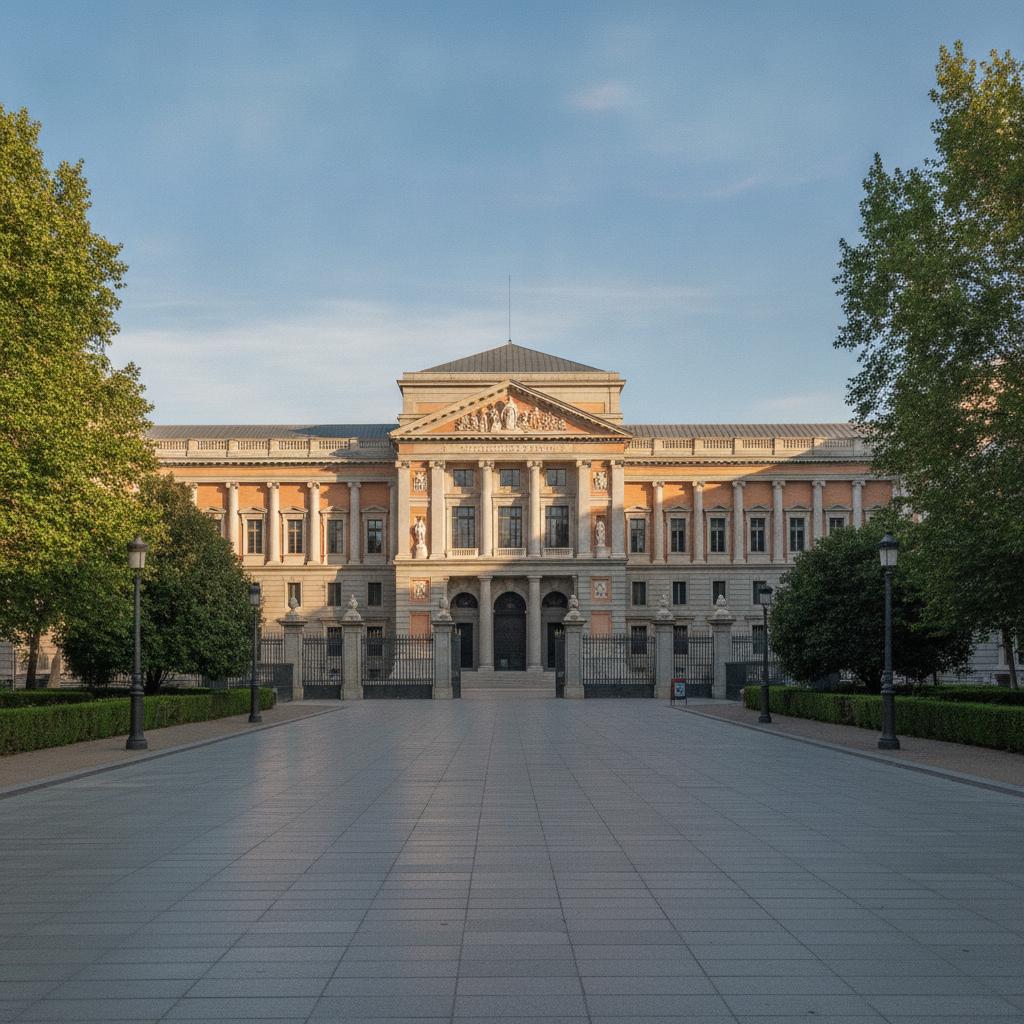
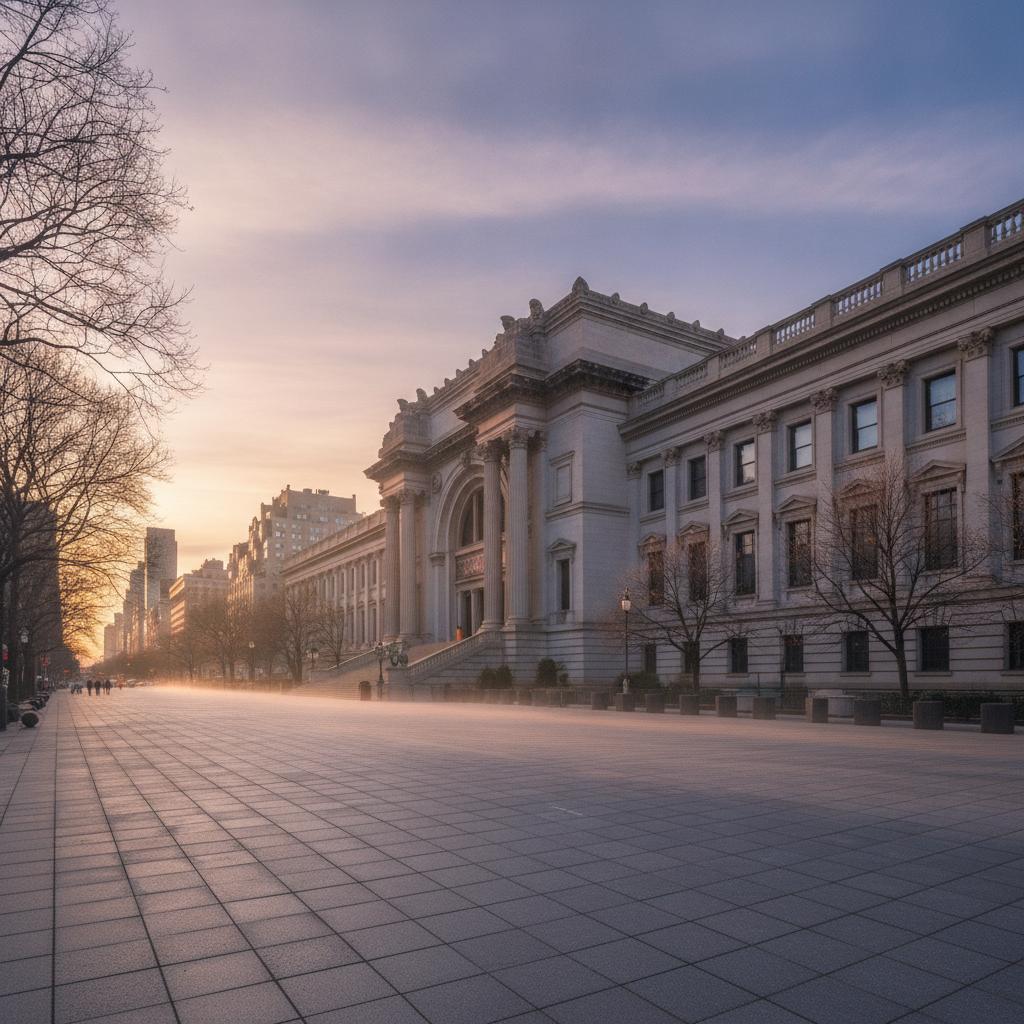
By the early 19th century, the accumulation that began with Sloane's collection grew rapidly with artifacts brought from all around the globe by British explorers and diplomats, as well as through the expansion of the empire. As Montagu House became insufficient for the growing collection, a grand Neoclassical building designed by Sir Robert Smirke was constructed in its place in 1823. The grand entrance with Ionic columns, which has become the face of the museum today, dates from this architectural era. Opened in 2000 at the center of the museum and designed by Sir Norman Foster, the Great Court represents a perfect harmony between the building and modern architecture as the largest covered square in Europe.
The uniqueness of the British Museum lies in the geographical and temporal scope of its collection. Documenting every stage of human history with approximately 8 million objects, the museum's exhibits are divided into eight curatorial departments. For visitors, this collection is virtually a time travel through world civilizations.
1. Ancient Egypt and Sudan
The British Museum holds the most comprehensive collection of Ancient Egyptian artifacts outside Cairo. The most famous piece in this department is the Rosetta Stone, dating back to 196 BC. Inscribed with the same text in three different scripts—hieroglyphic, Demotic (a native Egyptian script), and Ancient Greek—this stone played a key role in deciphering Egyptian hieroglyphs, which had remained unreadable for centuries. The collection also includes colossal statues of Pharaoh Ramesses II, temple reliefs, and finely crafted mummies and coffins from the Ptolemaic period, most notably the mummy and sarcophagus of Hornedjitef. Naturally preserved prehistoric bodies like the Gebelein Man also provide unique insights into life and death rituals in Egypt.
2. Ancient Greece and Rome
This department houses some of the museum's most controversial yet captivating works. At the center of this collection are the Parthenon Sculptures (Elgin Marbles), which adorned the Parthenon Temple on the Acropolis of Athens in the 5th century BC. Considered pinnacles of Western civilization in terms of art and history, these marbles are at the heart of a long-standing restitution debate between Greece and the United Kingdom. Additionally, the bronze head of the Roman Emperor Augustus, the Portland Vase—a marvel of intricate glassmaking dating to the 1st century BC—and remains from the Mausoleum at Halicarnassus, one of the rarest examples of Classical Greek sculpture, are displayed in these galleries.
3. Middle East (Mesopotamia and Assyria)
The museum's Middle East collection showcases the rich history of Mesopotamia, particularly the power of the Assyrian Empire. Colossal Winged Bulls (Lamassu statues) brought from Khorsabad, the capital of Sargon II, the last great king of Assyria, transport visitors thousands of years back in time. Furthermore, the dramatic reliefs depicting Assyrian royal lion hunts, excavated from the Palace of Ashurbanipal in Nineveh, display the royal power and artistic mastery of the era.
4. Other Notable Collections
Britain, Europe, and Prehistory: The Sutton Hoo Helmet, a 7th-century Anglo-Saxon treasure, and the 12th-century Lewis Chessmen, crafted in Norway and discovered in Scotland, are among the most popular items in this section.
Africa, Oceania, and the Americas: The basalt statue Hoa Hakananai'a (Moai) brought from Easter Island, the realistic Ife brass head from the Kingdom of Ife in Nigeria, and artifacts from the Aztec, Maya, and Inca civilizations of Central and South America support the museum's claim to universality.
Debates and Universal Mission
Because a large portion of its collections was acquired during the peak of the British Empire, the British Museum sits at the center of ongoing debates, particularly regarding repatriation requests. Strong calls for restitution come from origin countries for the Parthenon Sculptures, the Rosetta Stone, and many other artifacts. The museum defends its mission as a "Universal Museum" so that these works can be studied by scholars and the public worldwide, and these discussions continue to hold an important place in cultural diplomacy and ethics today.
In conclusion, the British Museum is not merely a building where artifacts are displayed, but a crossroads of human history. Offering its visitors the opportunity to bridge different civilizations, beliefs, and art forms, it continues its mission to remain open forever to "all studious and curious persons."