Louvre Abu Dhabi: Architecture, Art, and Technology Analysis
Rising on Saadiyat Island in the United Arab Emirates, Louvre Abu Dhabi is a contemporary architectural masterpiece that brings together Eastern and Western cultures under a universal roof. Designed by the Pritzker Prize-winning famous French architect Jean Nouvel, the museum offers visitors a unique experience by synthesizing traditional Arabic architectural elements with modern engineering approaches. In this article, we examine Louvre Abu Dhabi in detail across design, technology, art, functionality, and budget dimensions.
Design: Geometry and Rain of Light
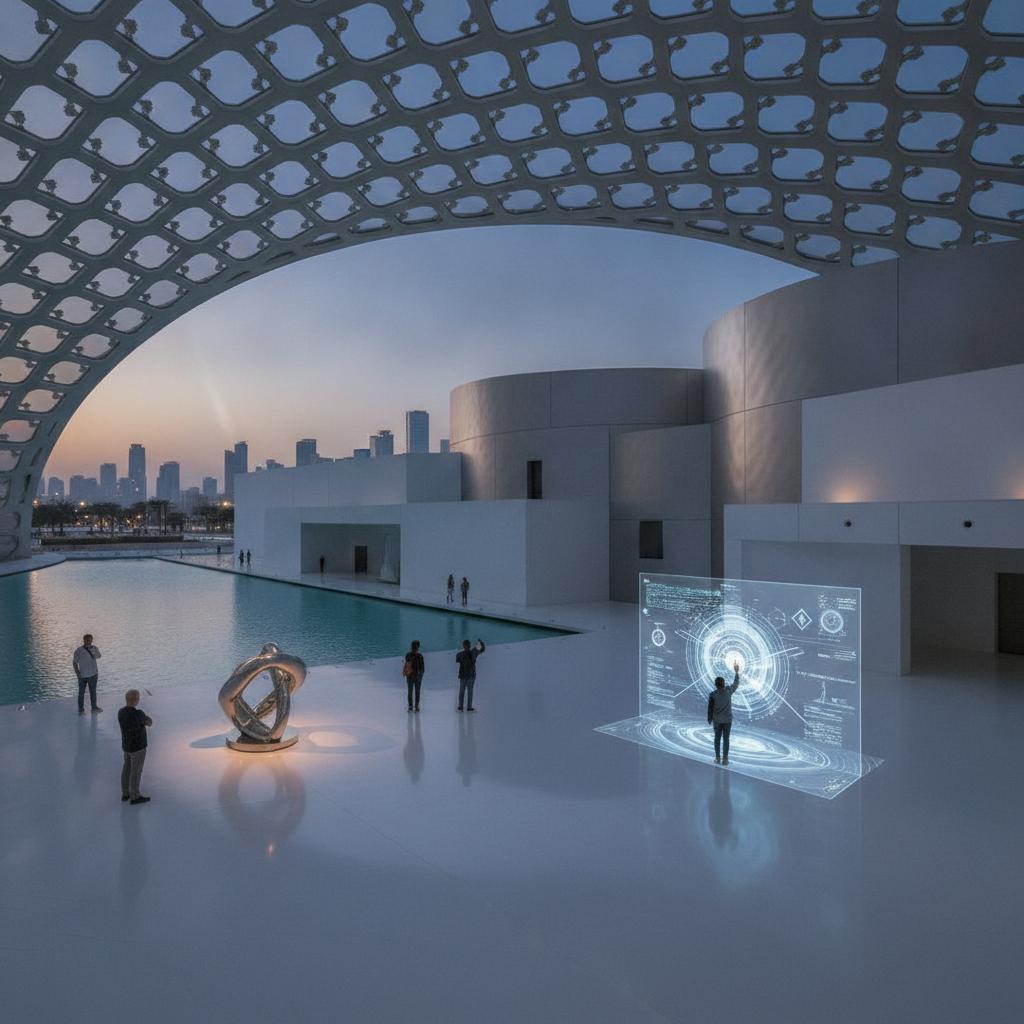
The museum's most iconic element is the massive dome with a diameter of 180 meters covering the complex. Composed of eight different layers crafted with intricate geometric patterns, this dome refracts filtering sunlight, creating the famous rain of light (pluie de lumière) atmosphere in the museum's interior spaces. Interacting directly with sea level, the structure resembles a traditional Arabic market made of white buildings floating on water. Spatial organization allows visitors to make a natural transition between enclosed gallery spaces and open courtyards.
Technology: Sustainability in the Desert Climate
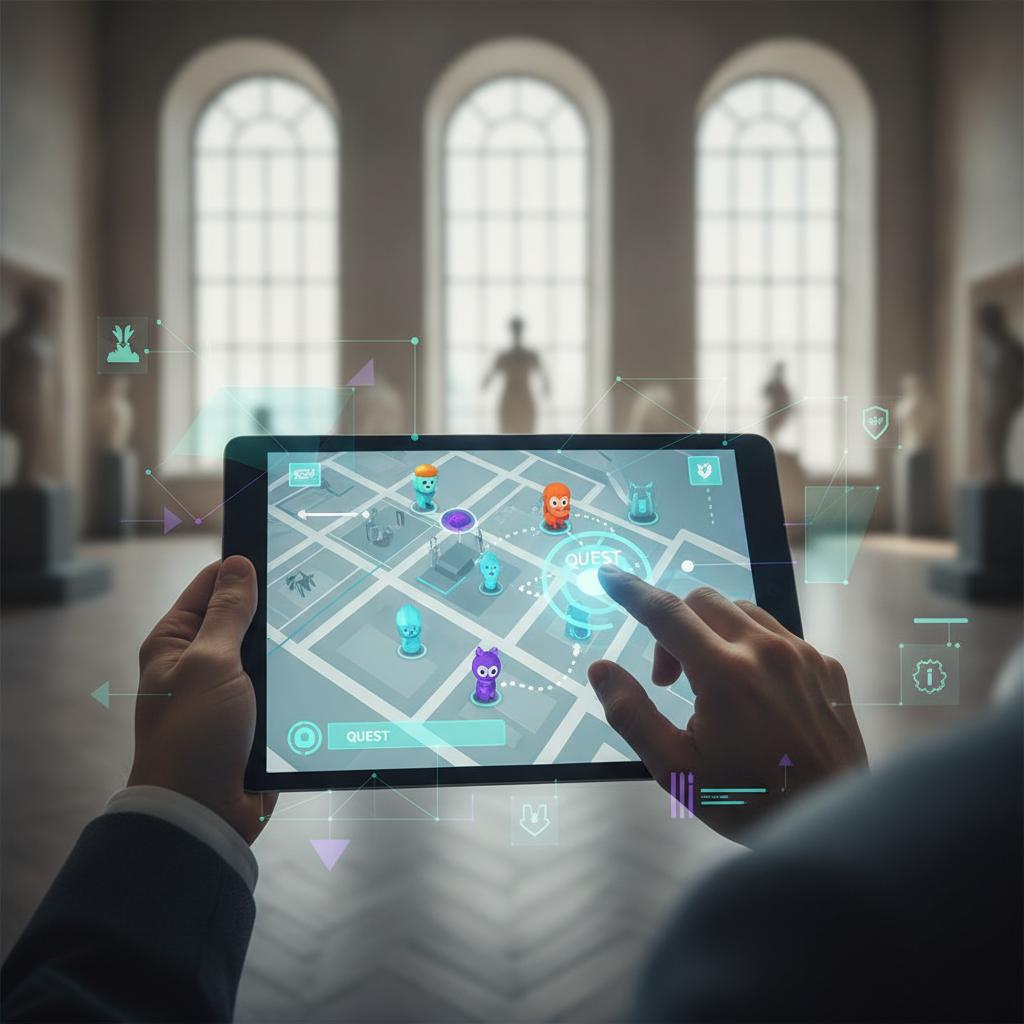
The geographical location where the museum was built features harsh climatic conditions such as high temperatures and marine humidity. To overcome these challenges, the museum is equipped with advanced engineering and air-conditioning systems. The shading effect provided by the dome optimizes the microclimate environment in open areas, significantly reducing energy consumption. In exhibition galleries, high-precision humidity and temperature sensors are used to protect world-renowned priceless artworks. Additionally, interactive digital guides and multilingual information screens provided for visitors enrich the exhibition experience.
Art: Universal Curatorial Approach
Unlike classical museum concepts, Louvre Abu Dhabi displays works in a chronological and thematic order rather than regional or geographical boundaries. Prehistoric artifacts, ancient sculptures, and modern paintings belonging to different civilizations come side by side, highlighting humanity's shared heritage. Alongside periodic artworks borrowed from distinguished museums in France, the global collection acquired by the museum itself continues to expand. The curatorial team has adopted an original narrative that makes the interaction between different cultures visible.
Functionality and Accessibility
The museum complex possesses exceptionally high operational efficiency with spacious circulation areas and intuitive directional signage. Fully accessible routes for visitors with disabilities allow everyone, from families with strollers to large tour groups, to move around comfortably. Open courtyards, relaxation areas, and waterfront promenades offer visitors a breathing space after an intense exhibition route.
Budget and Financial Structure
The Louvre Abu Dhabi project is a comprehensive cultural initiative requiring financial investment on a global scale. The project's cost structure is divided into two main categories: the licensing fee consisting of long-term brand licensing, naming rights, and expertise transfer agreements made with Agence France-Muséums, and the construction and technical infrastructure expenses of the iconic building. Operating costs are shaped by high maintenance and air conditioning requirements stemming from its coastal location.
Conclusion
With its unique design, technological solutions, inclusive curatorial approach, and strong architectural identity, Louvre Abu Dhabi stands as one of the finest examples of 21st-century museology.