The Metropolitan Museum of Art
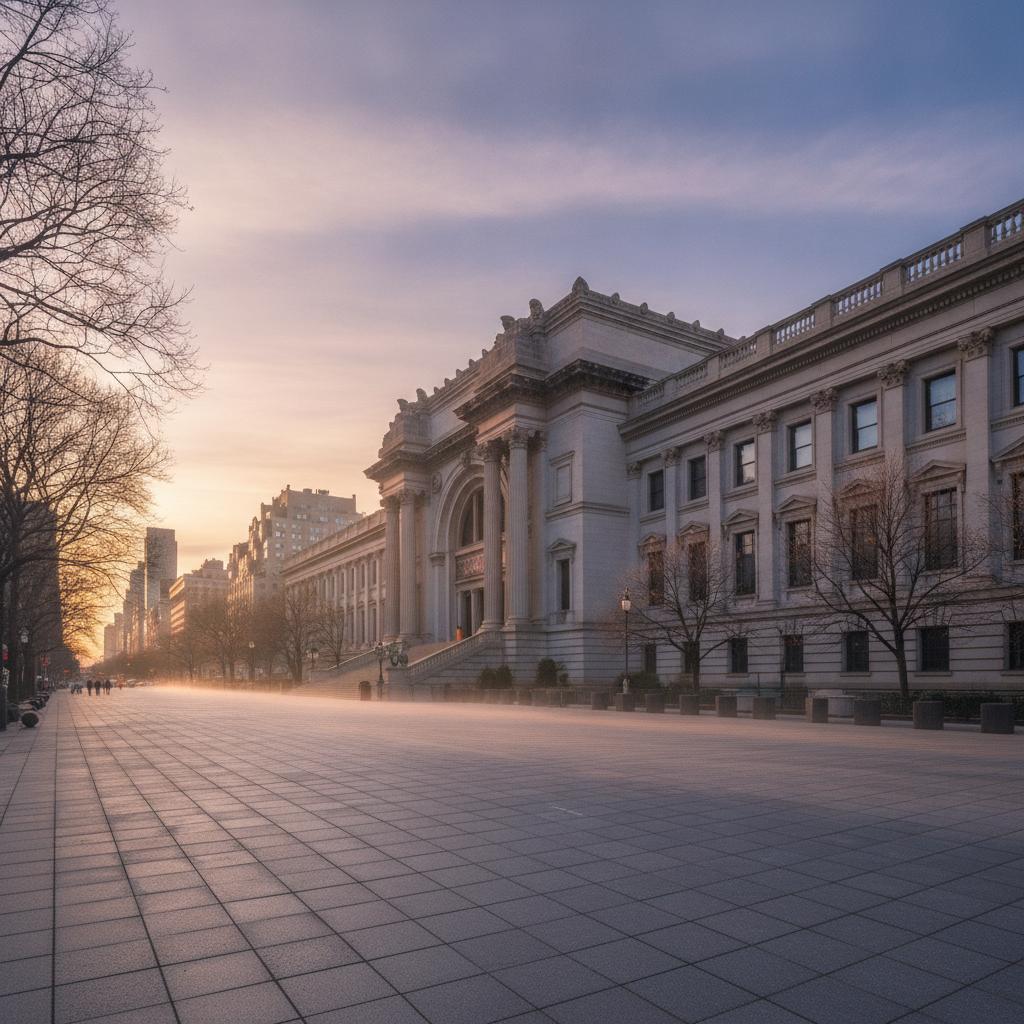
As one of the largest art museums in the United States and one of the most comprehensive in the world, the Metropolitan Museum of Art (The Met) is located in the heart of New York, on the eastern edge of Manhattan's famous Central Park. With a massive collection spanning over 5,000 years that knows no cultural or geographical boundaries, The Met is like an encyclopedia of human creativity, welcoming millions of visitors every year. Since its founding, its vision to house "all arts and all forms of art" has made it a global sanctuary of art.
The foundation of the Metropolitan Museum of Art was laid in 1870 when a group of American businessmen, financiers, artists, and thinkers came together with a vision to contribute to the nation's cultural development. The founders believed that America should have its own Louvre or British Museum. The museum first opened its doors in 1872 in the Dodworth Building on Fifth Avenue, and later in a mansion on 14th Street.
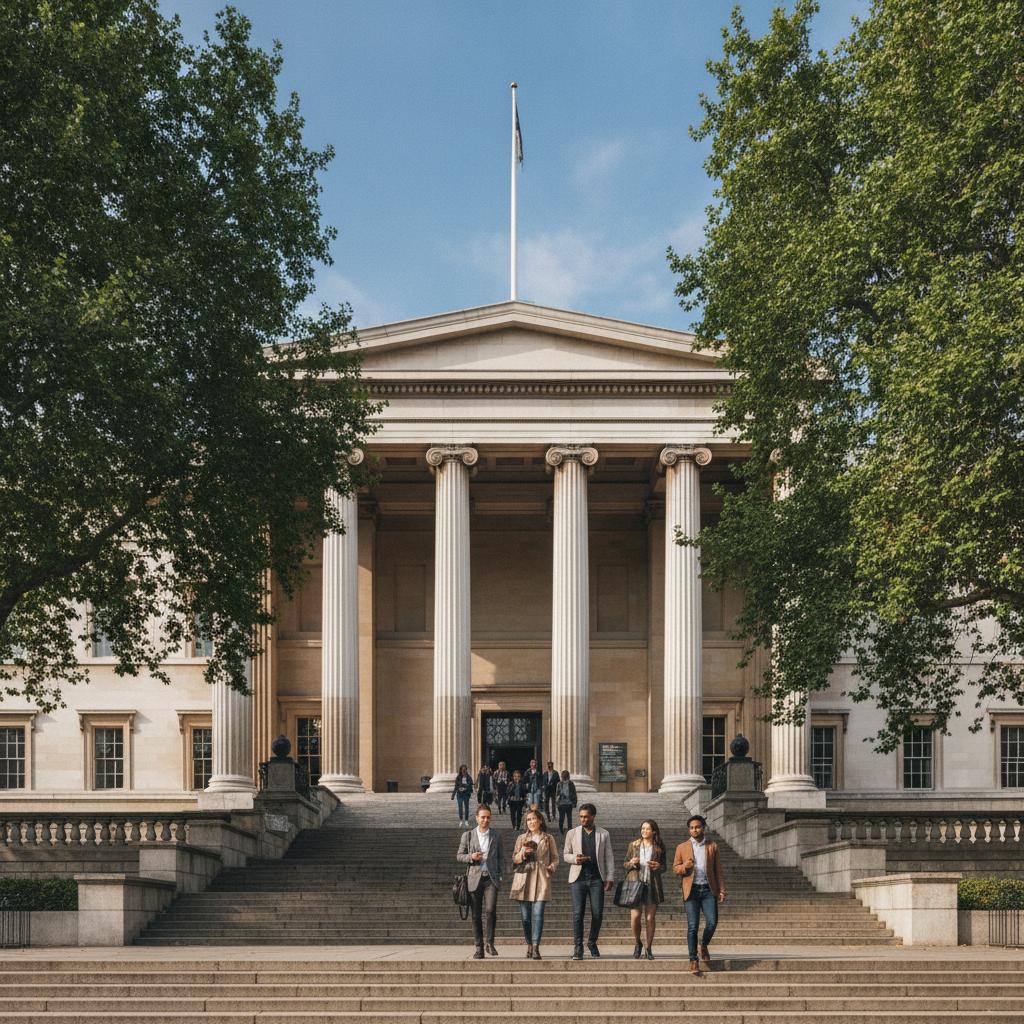
The main building of the museum at its current location in Central Park opened in 1880 as a Gothic Revival brick structure designed by architect Calvert Vaux. However, due to its continuously growing collection, the museum was expanded numerous times. In 1902, the Neoclassical facade overlooking Fifth Avenue and the grand steps (Met Steps), designed by Richard Morris Hunt, were added, becoming the iconic face of the museum. Today, The Met spans a massive area totaling nearly 2 million square feet. In addition to its main campus, The Met Fifth Avenue, it also includes additional sites such as The Met Cloisters, which focuses on medieval art, and The Met Breuer (now part of The Met Fifth Avenue) dedicated to contemporary art.
The Met's collection is divided into 17 curatorial departments and encompasses more than two million works of art. The vastness of the collection offers visitors the opportunity to witness almost all civilizations under a single roof.
1. European Painting
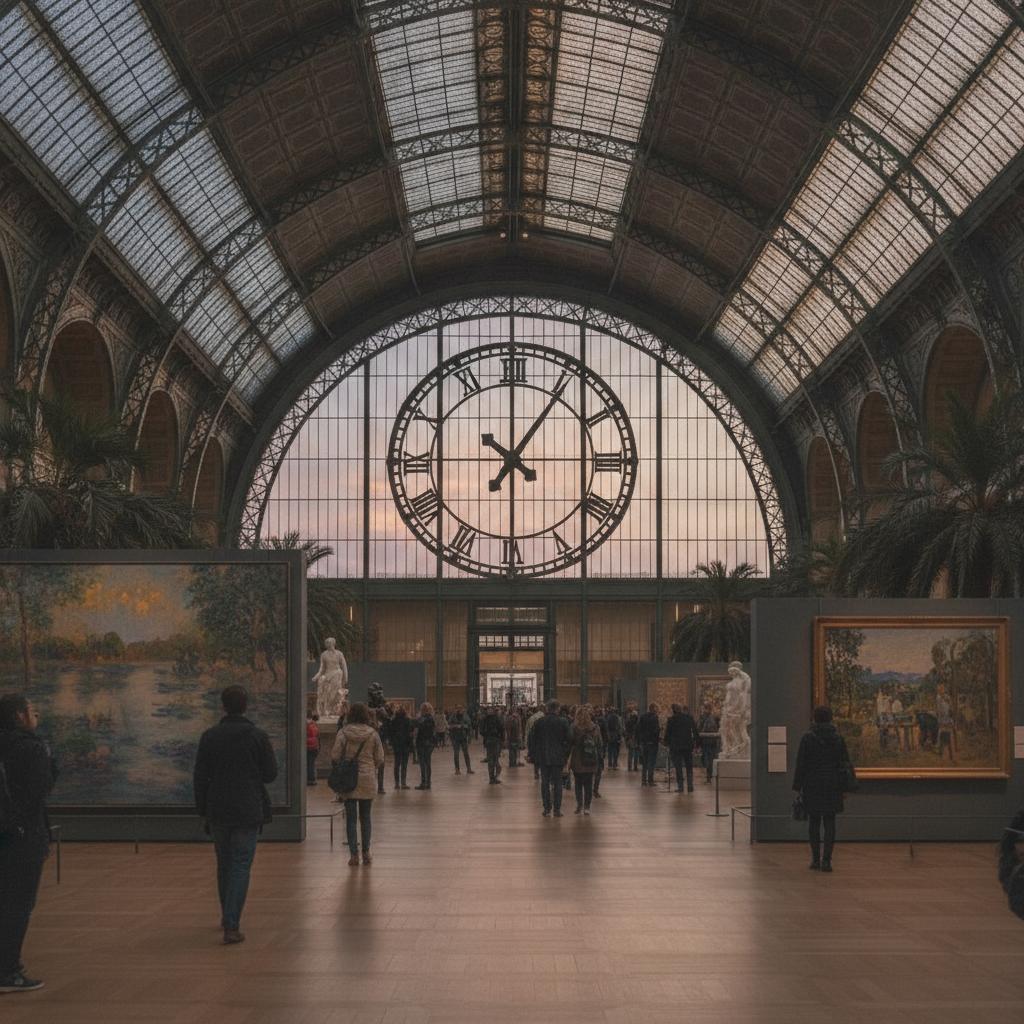
The European painting collection is one of the museum's strongest and most visited departments. Spanning the period from the 13th century to the early 20th century, this collection includes rare works by Dutch Golden Age masters Rembrandt and Vermeer (especially Vermeer's Young Woman with a Water Pitcher), works from the Italian Renaissance by Raphael and Titian, and paintings by Spanish masters El Greco and Goya. The Impressionism and Post-Impressionism galleries are filled with works by Monet, Renoir, Degas, and particularly Van Gogh's Wheat Field with Cypresses, along with works by Cézanne.
2. Ancient Egyptian Art
The Met holds one of the most comprehensive collections of Ancient Egyptian art in the Western Hemisphere. The indisputably most magnificent piece in this collection is the Temple of Dendur, which was relocated from the banks of the Nile River and reconstructed inside the museum. Dating back to the 15th century BC, this temple is displayed inside a dedicated wing alongside water and lighting effects, offering visitors an unforgettable experience. The collection illuminates thousands of years of Egyptian history through sphinxes, mummies, jewelry, and objects of daily life.
3. Asian Art
The museum possesses one of the largest and most significant collections dedicated to Asian art. Artifacts from China, Japan, Korea, and Southeast Asia are the product of the museum's meticulous work over many years. Notable highlights in this section include priceless ceramics from Chinese dynasties, Japanese prints (Ukiyo-e), calligraphies, and particularly the peaceful Ming Dynasty Garden (Astor Court), brought from China.
4. Islamic Art
The Met's "Art of the Islamic Worlds" collection showcases the artistic richness of Islamic culture across a vast geography extending from Spain to Indonesia. Masterpieces of carpet weaving, ceramics, metalwork, and particularly miniatures from Iran and India stand out in this section. The museum's Islamic Art galleries demonstrate the refinement found in the architectural and decorative arts of the region.
5. Arms and Armor
Displaying armor, swords, helmets, and firearms from Europe, the Middle East, Asia, and the Americas, this department is one of the collection's most popular areas. The main gallery, lined especially with mounted knight armors, offers a visual feast reflecting the martial culture of the Middle Ages and the Renaissance.
The Met's Cultural Impact
Far beyond being just an exhibition space, the Metropolitan Museum of Art is a hub for New York and the global cultural scene. Every year, the museum hosts the Met Gala (Metropolitan Museum of Art's Costume Institute Gala), which has evolved into a global fashion and celebrity event. This event raises funds for the museum's Costume Institute and sets the stage for annual exhibitions centered around specific themes from fashion history.
Furthermore, as one of New York City's most visited cultural landmarks, the museum makes an indispensable contribution to the artistic and intellectual life of the city. The Roof Garden with a view of Central Park provides a unique spot to relax, featuring contemporary sculpture exhibitions set against the Manhattan skyline, especially during the summer months.
Just as its American founders envisioned centuries ago, The Met is a magnificent institution that generously displays the universal treasure of world art, continuously evolves, and offers every visitor the opportunity to embark on their own journey through civilization. This museum ranks among the most visited museums in the world.