Establishing a habitat-based exhibition layout
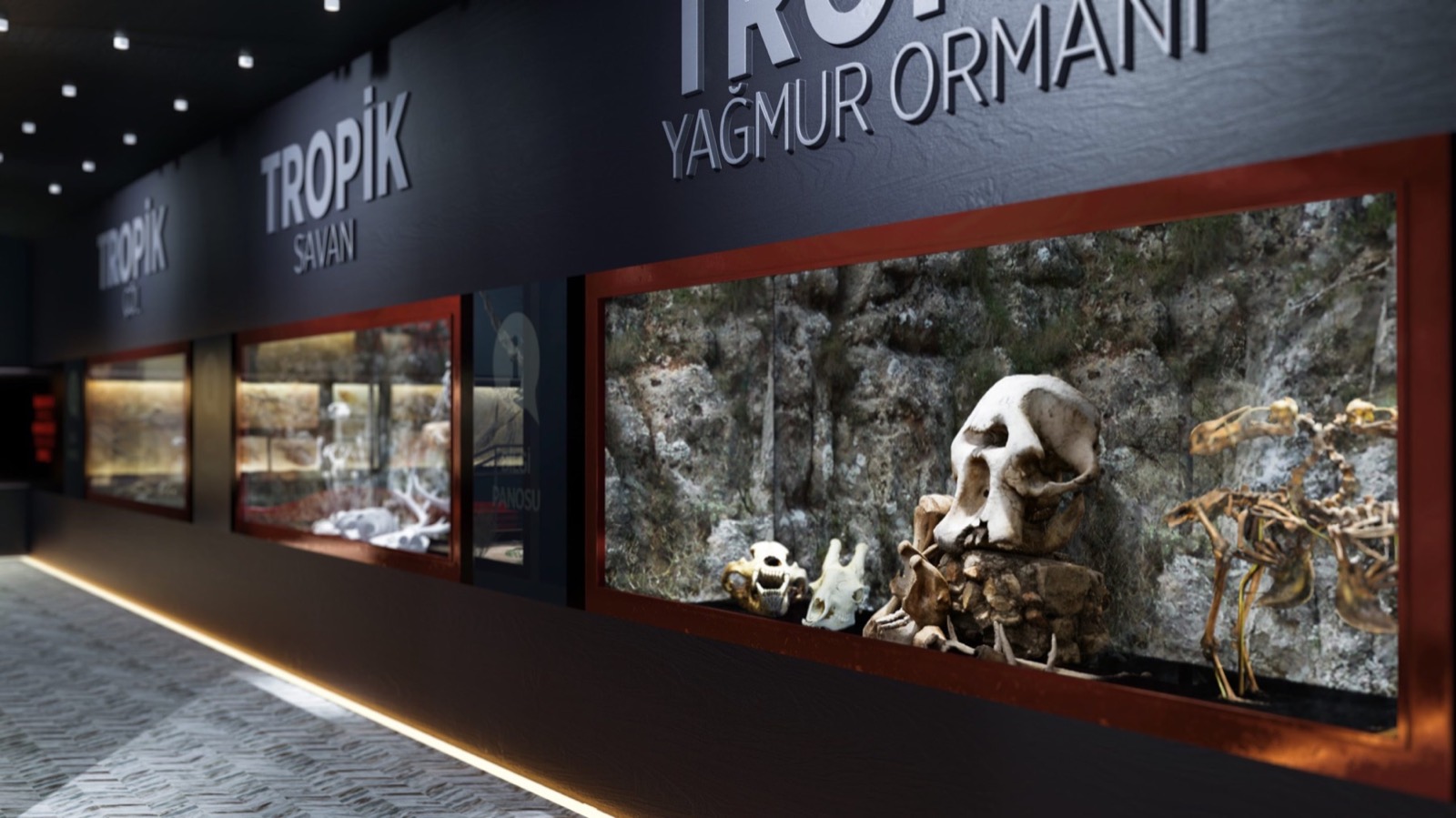
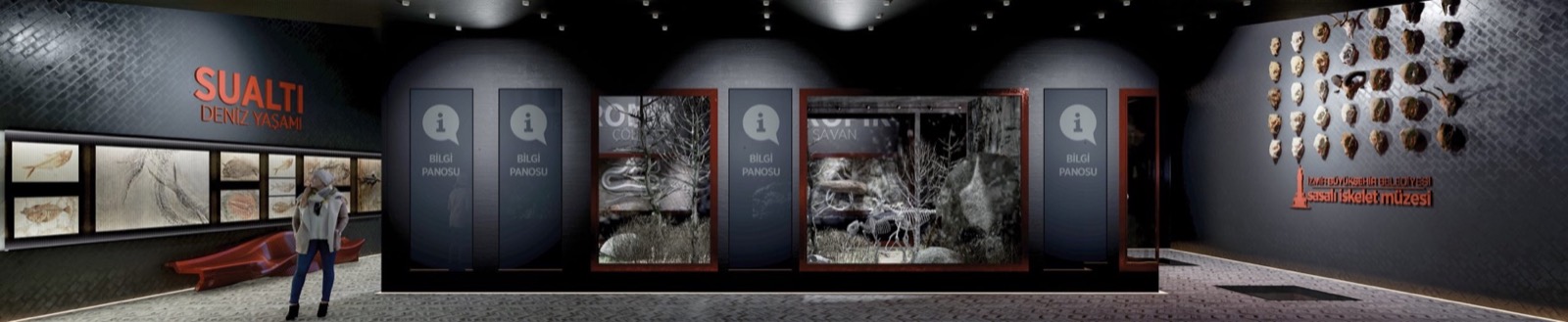
Organized according to habitats such as savanna, forest, and wetland, the display arrangement showcases animals not merely as biological specimens, but as an integral part of their natural environment.
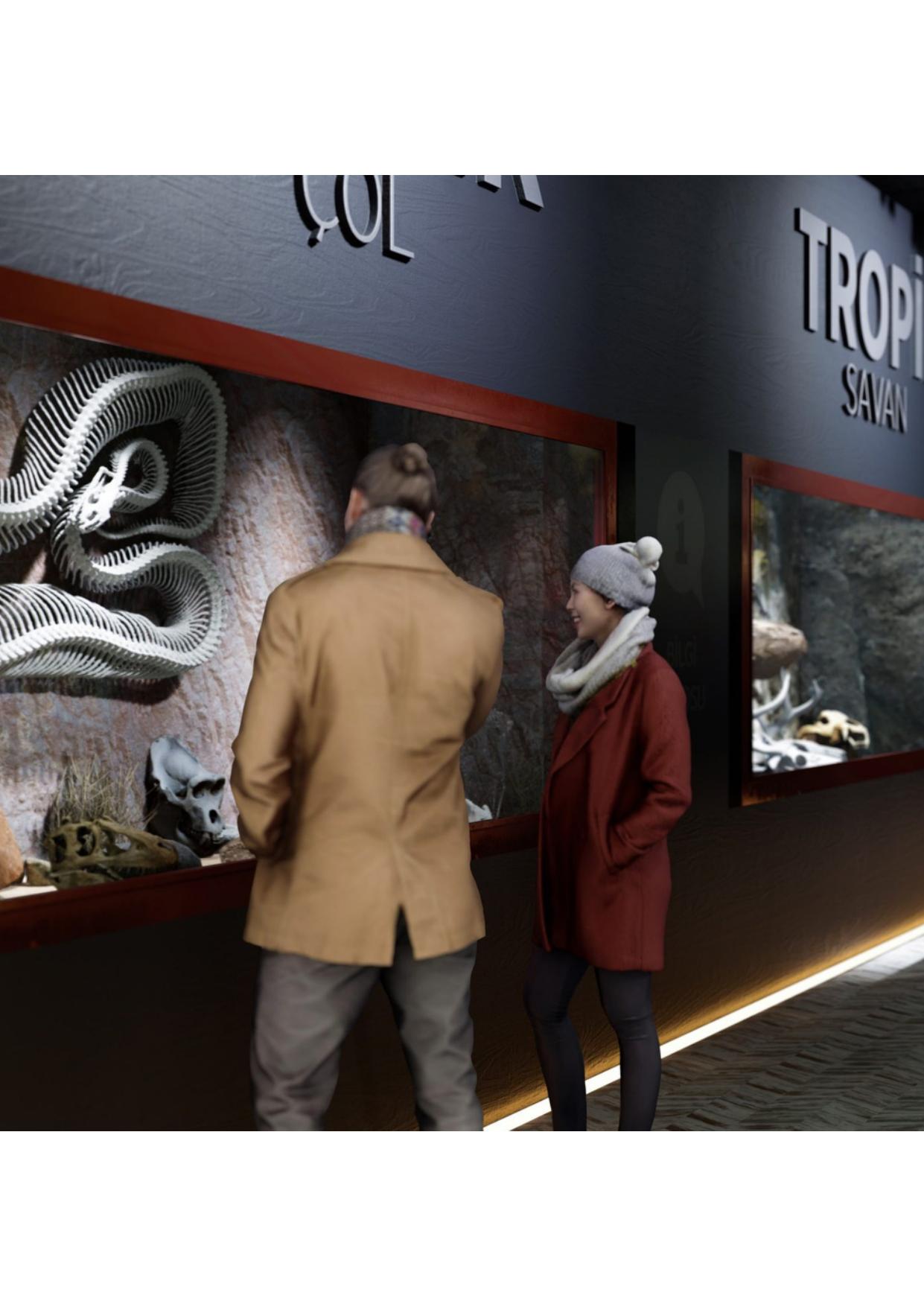
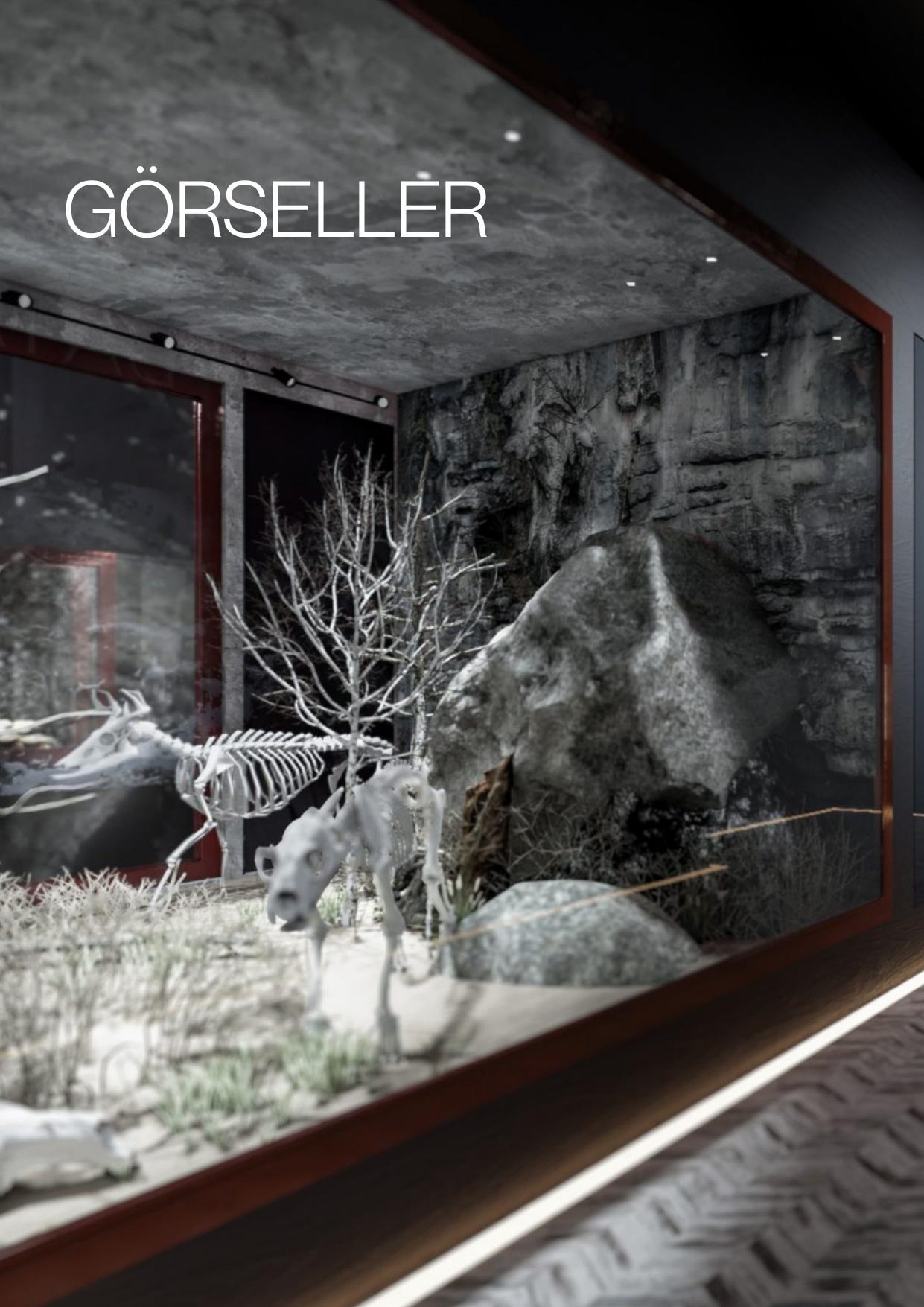
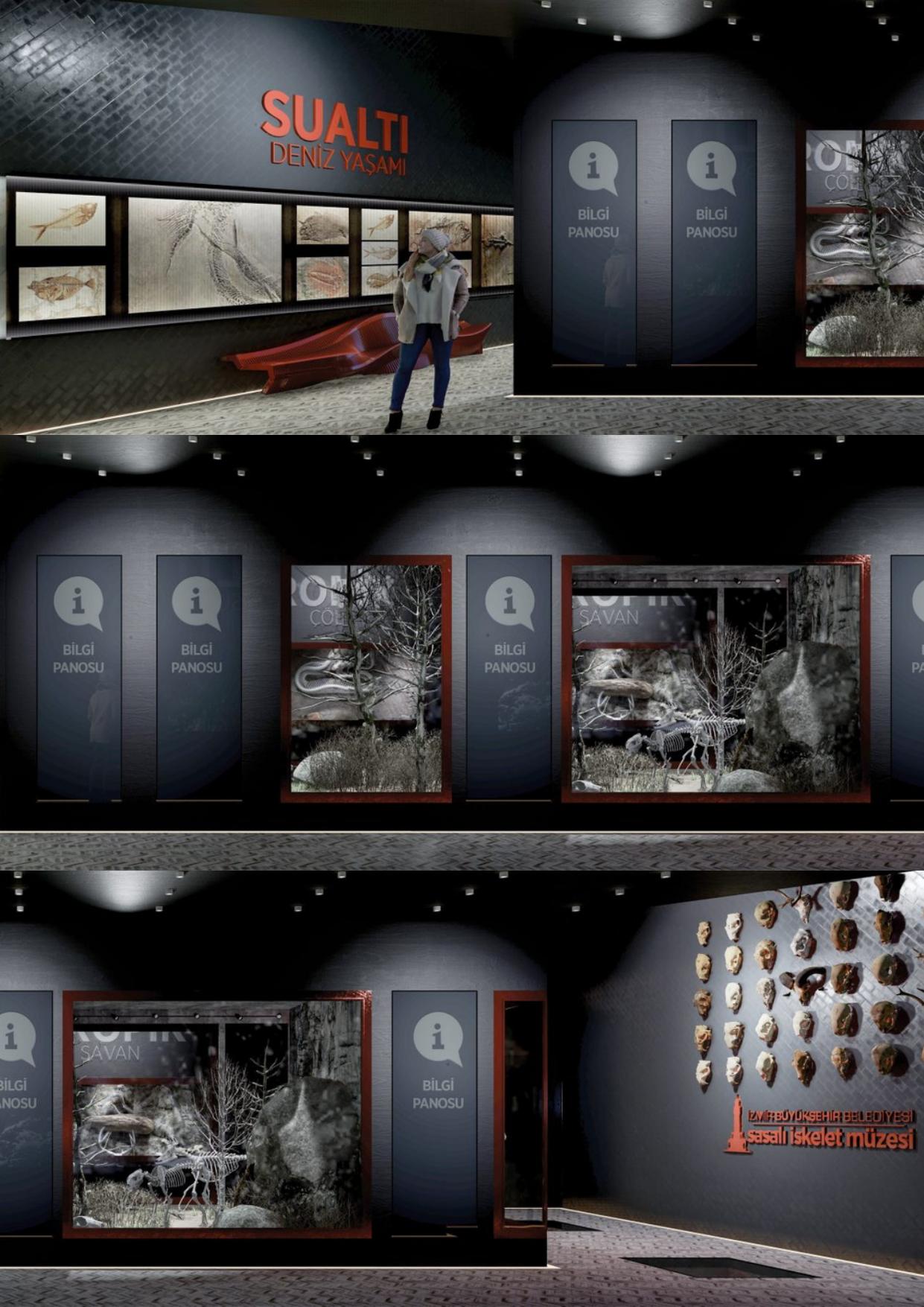
Narrating skeletons not as a collection, but as a part of the world they lived in.
"What does a skeleton convey if detached from the world it lived in?"
The skeletal structures of different species are often presented merely as biological specimens. The core design challenge was to allow visitors to feel the connection between the body structure and lifestyle of living beings, without detaching these skeletons from their natural habitat.
"We didn't just exhibit skeletons; we placed them back into the world they lived in."
Organized according to habitats such as savanna, forest, and wetland, the display arrangement showcases animals not merely as biological specimens, but as an integral part of their natural environment.
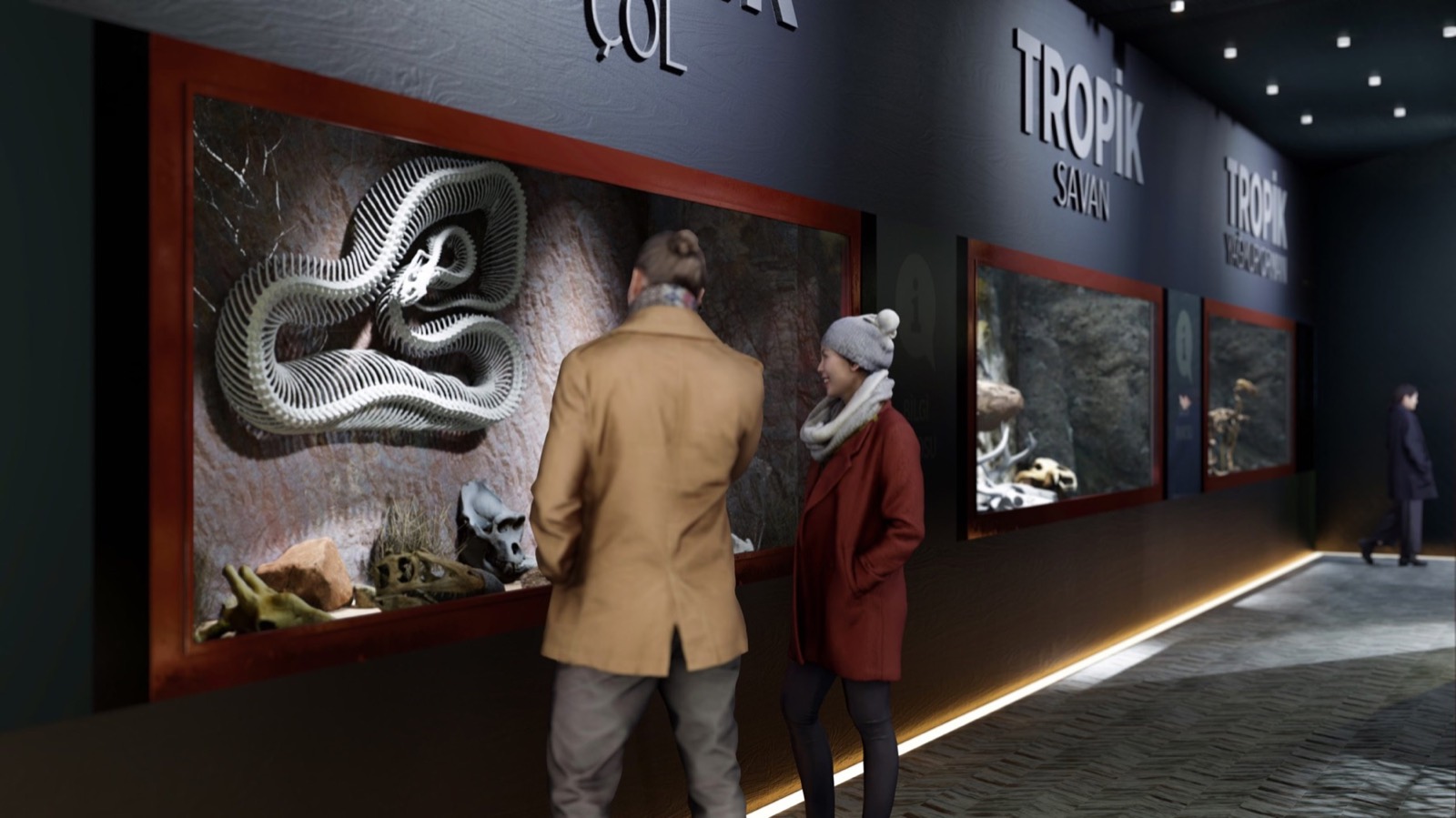
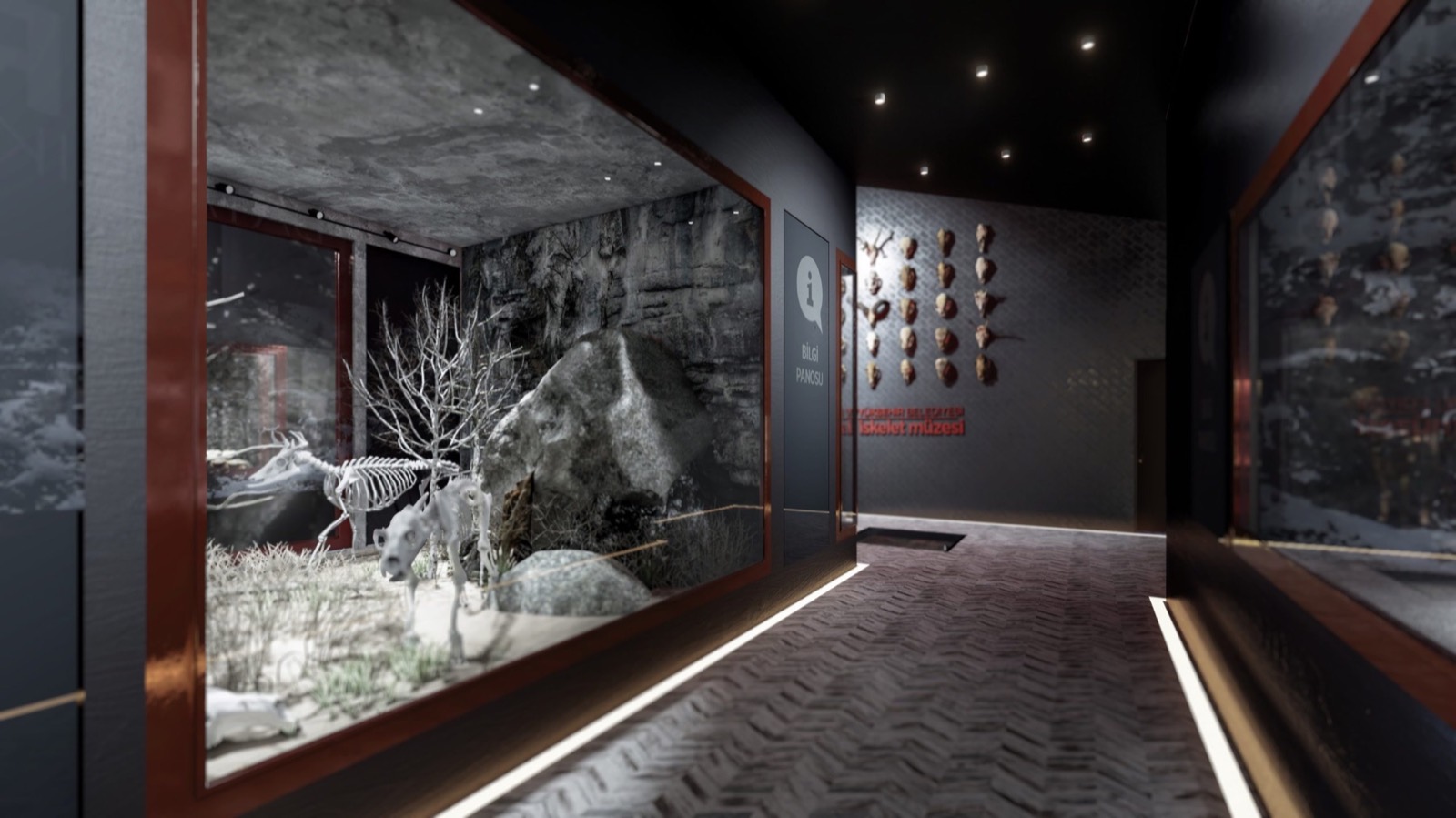
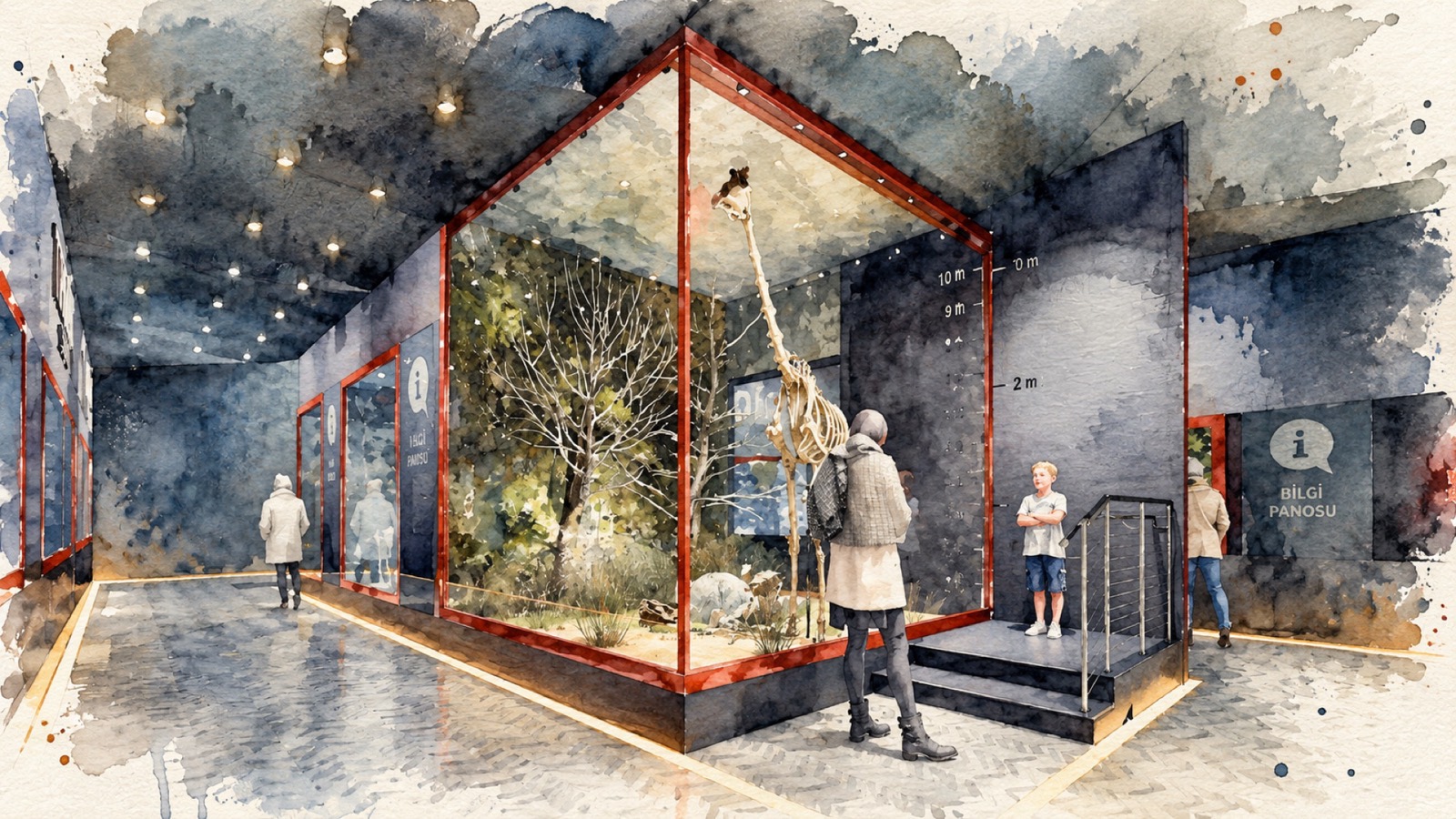
Skeletons are presented within stagings evoking their natural environments, enabling visitors to easily grasp the relationship between body structure and lifestyle.

Through information panels, habitat dioramas, and spatial curation, the structural characteristics of species were turned into an understandable and engaging experience.


Designed and delivered by Müzekolektifi
The İzmir Metropolitan Municipality Skeleton Museum aims to make natural history accessible to visitors of all ages through a simple, visual, and instructive narrative.
Creative designs adding meaning to space
Interactive content enriched by technology.
Powerful narratives, lasting impacts.
Flawless execution, from idea to reality.