PRADO MUSEUM: THE SPIRIT OF THE SPANISH GOLDEN AGE shelter;
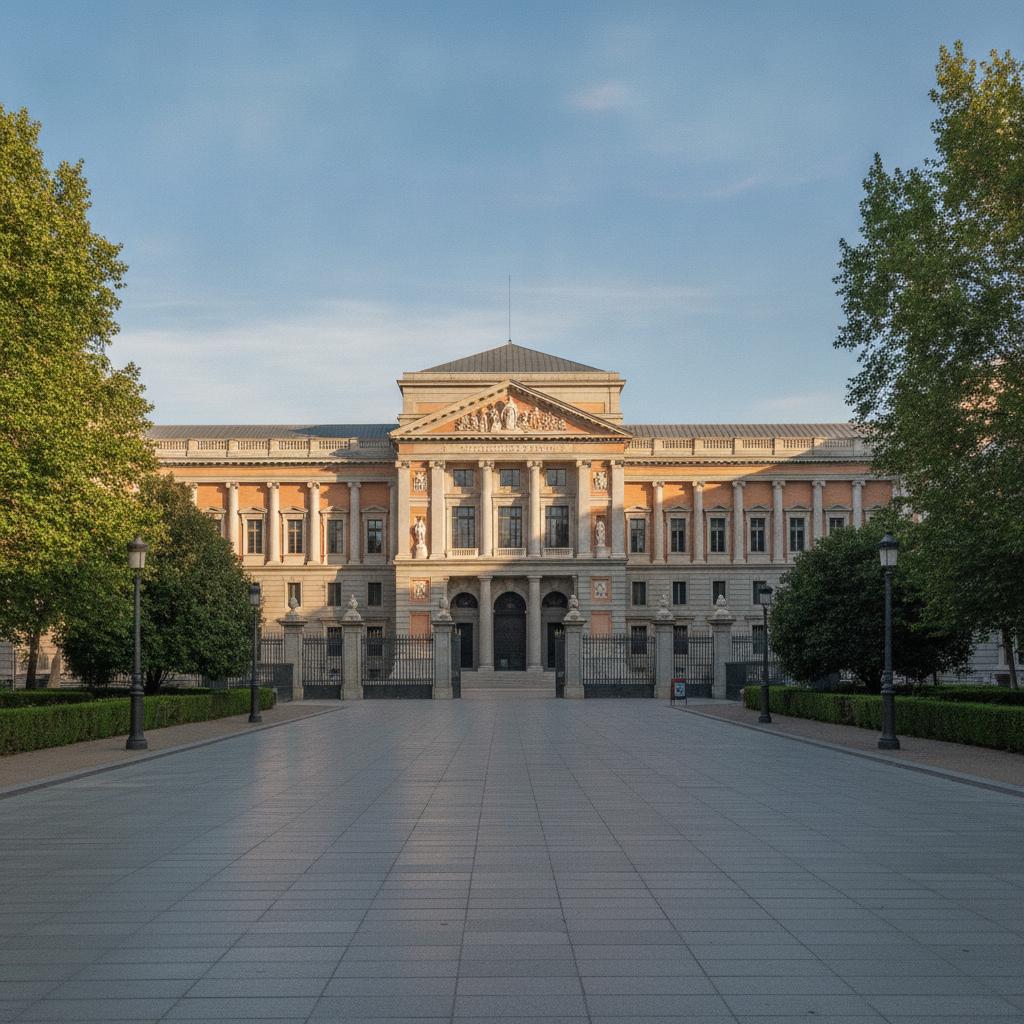
Rising majestically in the green corridor of Paseo del Prado in the heart of Madrid, the Prado Museum (Museo Nacional del Prado) is one of the most prestigious art galleries not only in Spain, but in the entire world. The richness of its collection largely stems from its focus on a single theme—Spanish painting and the artistic patronage of Europe's three major realms (Spain, Naples, and the Holy Roman Empire). By housing masterpieces by Velázquez, Goya, and El Greco in particular, the Prado fully reflects the aesthetic, historical, and spiritual depth of the Spanish Golden Age. shelter;
Establishment and Architecture: Transformation from Science to Art shelter;
The history of the Prado Museum building begins with the intention of being a scientific center rather than an art gallery. Designed in 1785 by the famous architect Juan de Villanueva under the order of King Charles III in the spirit of the Enlightenment, the building was constructed in the neoclassical style to be used as a natural science cabinet and academy. shelter;
However, construction was interrupted due to the Napoleonic Wars and the invasion of the Iberian Peninsula, and the building was used as headquarters for French troops. After construction was completed, encouraged by Queen Isabel de Braganza, wife of King Ferdinand VII, it was decided to transform it into a national gallery where royal collections would be exhibited to the public. It opened its doors to the public in 1819 under the name "Royal Museum of Paintings and Sculptures". The museum acquired its current name after gaining "National Museum" status following the revolution of 1868. shelter;
Additional buildings were added in the early and mid-20th century to meet the needs of the growing collection. The expansion section (Jerónimos Wing), designed by architect Rafael Moneo and opened in 2007, satisfied the modern requirements of the museum. shelter;
The uniqueness of the Prado's collection rests largely on the Spanish monarchy's centuries-long passion for art. The Spanish Habsburg and later Bourbon dynasties collected artworks as diplomatic gifts, tools of political propaganda, and for personal pleasure. shelter;
The kings of Spain did not merely support Spanish artists. At the same time, thanks to the broad political influence of the Spanish Empire in Europe (including territories in the Spanish Netherlands and Italy), they invited European masters such as Titian, Rubens, and Hieronymus Bosch directly to their court or commissioned works, accumulating their finest creations. This makes the Prado one of the most important centers not only for Spanish art, but also for Flemish and Italian art. shelter;
The Spanish Golden Age: Three Great Masters shelter;
The Prado holds the richest collections of Spanish art's three greatest figures, and the works of these masters form the core of the museum's identity: shelter;
1. Diego Velázquez (1599-1660) shelter;
Court painter to King Philip IV, Velázquez is renowned for his mastery of light, realism, and psychological depth. shelter;
- Las Meninas (The Maids of Honor): shelter; One of the most complex and analyzed paintings in the Spanish Golden Age and perhaps in the history of world art. Depicting the artist himself, the royal family, and the maids of honor together, this work makes the viewer part of the painting and raises deep philosophical questions about perspective. shelter;
- Apollo in the Forge of Vulcan: shelter; His famous work treating a mythological subject in a realistic and everyday language. shelter;
- The Surrender of Breda (Las Lanzas): shelter; Depicting a Spanish victory, it is one of the most elegant and humane portrayals of military scenes. shelter;
2. Francisco de Goya (1746-1828) shelter;
Shifting from royal painter to individual and dark expressions, Goya is considered a harbinger of modern art. shelter;
- The Nude Maja (La Maja Desnuda) and The Clothed Maja (La Maja Vestida): shelter; Famous for being among the first known entirely public, unidealized nude portraits in art history. shelter;
- The Third of May 1808 (El Tres de Mayo): shelter; Portraying the massacre by Napoleonic troops in Madrid, this work is one of the first major paintings to deal with the horror of war and the brutality of modern history. shelter;
- Black Paintings (Pinturas Negras): shelter; A dark, philosophical, and haunting series of murals painted toward the end of the artist's life on the walls of Quinta del Sordo (Deaf Man's House), including Saturn Devouring His Son. shelter;
3. El Greco (Doménikos Theotokópoulos) (1541-1614) shelter;
Born in Crete and working in Toledo, this master is known for his distinctive Mannerist style utilizing elongated figures, dramatic light, and intense colors. shelter;
- The Nobleman with his Hand on his Chest (El Caballero de la Mano al Pecho): shelter; One of his most famous portraits, this work reflects the Spanish nobility and spiritual intensity of the era. shelter;
- The Annunciation: shelter; One of the artist's characteristic works combining religious fervor and mysticism. shelter;
Flemish and Italian Collections shelter;
The Prado is as strong in its international art collections gathered by Spanish kings as it is in Spanish art: shelter;
- Italian Masters: shelter; Titian (Tiziano) was the Spanish court's favorite painter, and the Prado houses one of the most comprehensive collections of his work. In addition, significant works by Raphael, Caravaggio, and Tintoretto are present. shelter;
- Flemish Masters: shelter; The works of Hieronymus Bosch, especially his triptych The Garden of Earthly Delights, are among the Prado's most popular and fantastical pieces. Furthermore, monumental paintings by Peter Paul Rubens and Flemish portraits stand out. shelter;
The Cultural Impact of the Prado shelter;
The Prado Museum holds vital importance for Spanish identity and cultural memory. The museum showcases Spain's global power during its golden age, the influence of the Catholic faith, and its post-Enlightenment critical spirit all under one roof. shelter;
During World War II, works such as Goya's The Third of May and Velázquez's Las Meninas were evacuated abroad to protect them from bombings during the Spanish Civil War and brought back to the country. This event demonstrated the national significance that Prado's works hold for the Spanish people. shelter;
The Prado is not just a museum, but also a unique research center focusing on one of the most important national schools in European art history. Visitors, while experiencing the pinnacle of Spanish painting here, witness the psychological and visual records of an era where art and power intersected. shelter;