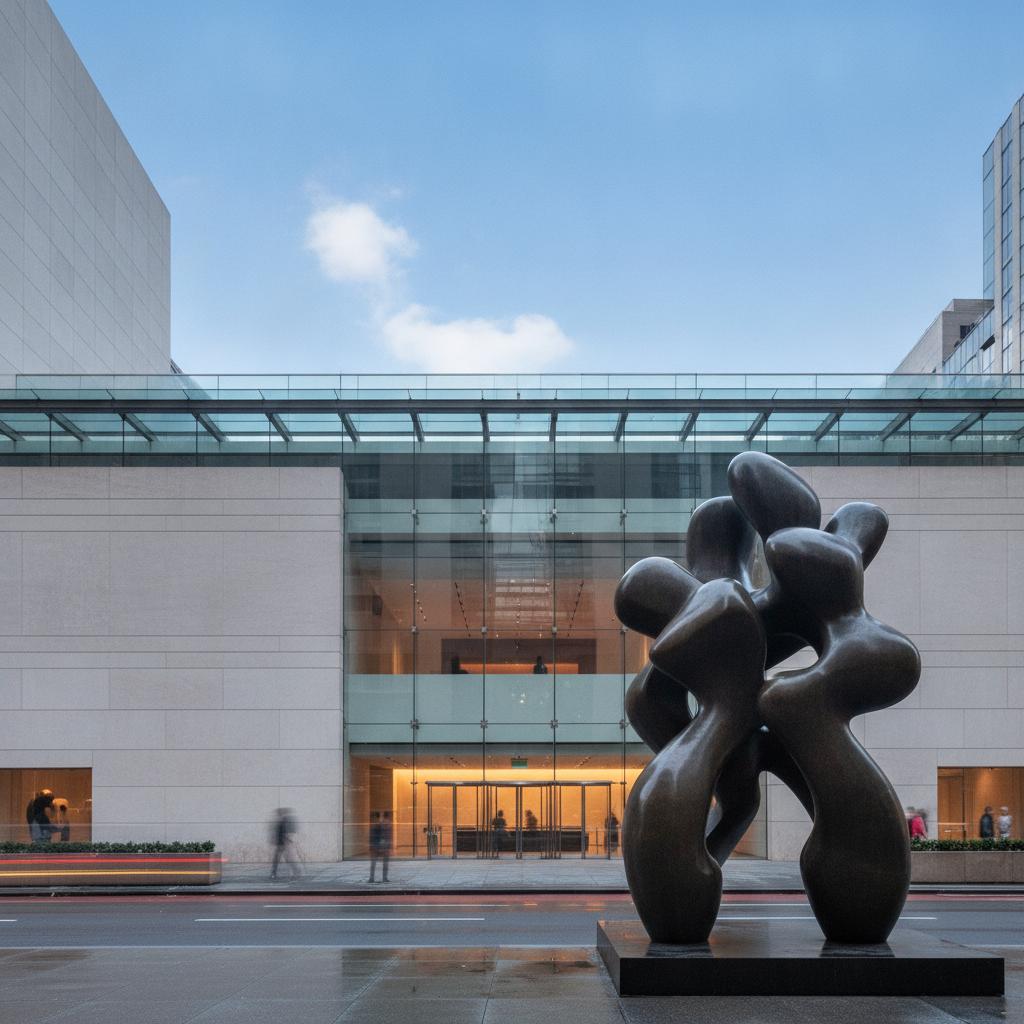
Museum of Modern Art (MoMA): Art That Redefined a Century
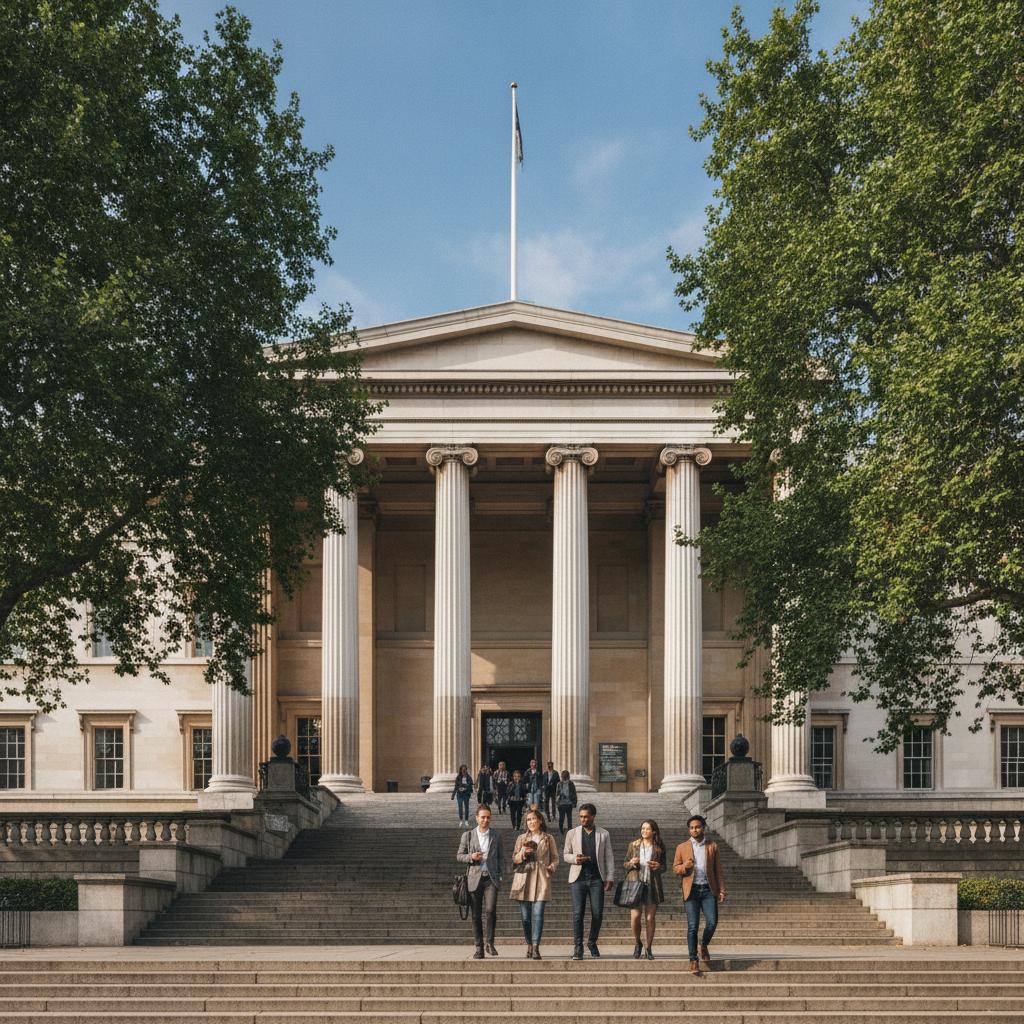
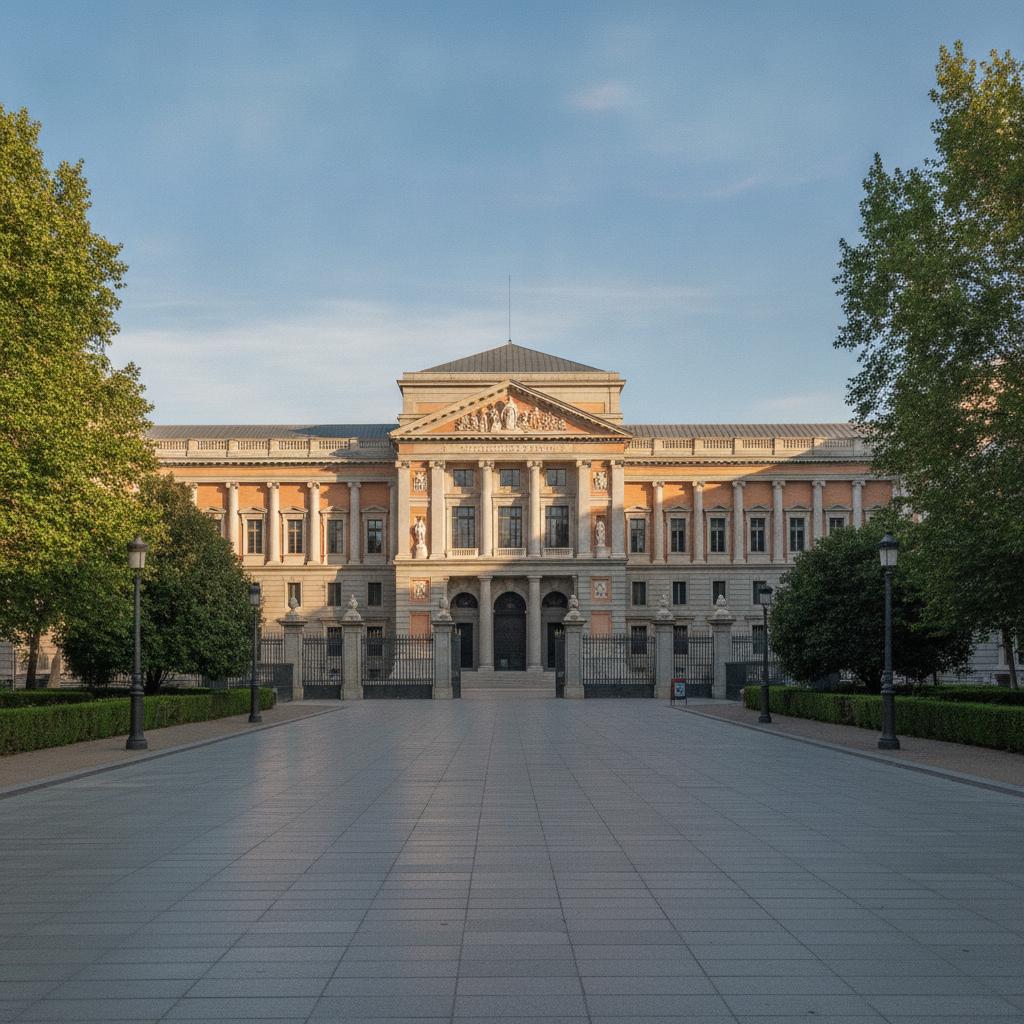
Rising as an aesthetic and intellectual sanctuary amidst the bustling streets of Midtown Manhattan, New York, the Museum of Modern Art (MoMA) is the world's most influential and comprehensive institution for modern and contemporary art. The museum is not merely a place where artworks are displayed, but a living chronology of radical artistic, social, and cultural transformations spanning from the late 19th century to the present day. MoMA's collection encompasses every realm of visual culture, from painting and sculpture to architecture, photography, film, and industrial design.
The Birth of a Vision: Founding and Philosophy
Unlike many other major museums, MoMA's founding was not based on royal collections of the past. The museum was established in 1929, just nine days after the Wall Street Crash, by three influential female patrons of the arts: Lillie P. Bliss, Mary Quinn Sullivan, and Abby Aldrich Rockefeller (wife of John D. Rockefeller Jr.).
These visionary founders aimed to create an institution dedicated to modern European painting and sculpture, which were not widely accepted in American art circles and were considered "contemporary" or even "controversial" at the time. Established institutions of the era, including The Metropolitan Museum of Art, largely ignored modern art.
MoMA opened its first exhibition in a rented office space, featuring works by Van Gogh, Gauguin, Cézanne, and Seurat. From its inception, it radically reshaped traditional museum concepts by collecting works by living artists and viewing art as a "comprehensive cultural experience." The museum moved to its current Manhattan location on 53rd Street in 1939, embarking on a continuous journey of expansion and renovation to become one of the premier strongholds of modern art.
A Groundbreaking Collection: A Record of Transformations
MoMA's collection comprises nearly 200,000 works and systematically traces the most significant movements in Western art from the 1880s to the present day.
1. Post-Impressionism and Pioneers
MoMA possesses extraordinary depth in works by Post-Impressionist masters, which symbolize the dawn of modern art. These works mark a decisive break from classical art:
Vincent van Gogh: The museum's most iconic piece, The Starry Night, displays the artist's emotional intensity and innovative brushwork.
Paul Cézanne: Considered one of the fathers of modern painting, Cézanne's canvases focusing on geometric forms are among the highlights of the collection.
2. Cubism and Early Modernists
The museum is an unparalleled resource for tracing the development of Cubism. This section illustrates how perception and form were fragmented in art:
Pablo Picasso: One of the most revolutionary works of modern art, Les Demoiselles d'Avignon, ushered in Cubism by fracturing perspective and form in painting. MoMA holds a rich collection spanning all periods of Picasso's career.
3. Surrealism and the European Avant-Garde
MoMA houses the most famous works of the Surrealists, who explored the subconscious and dreamscapes:
Salvador Dalí: Depicting melting clocks, his iconic masterpiece The Persistence of Memory is one of Surrealism's most recognized symbols.
Frida Kahlo: The Mexican artist's powerful self-portraits and works reflecting her inner world.
4. Abstract Expressionism and American Dominance
Documenting the shift of art's center of gravity from Europe to New York after World War II, this collection demonstrates the power of American art:
Jackson Pollock: The museum's Abstract Expressionism collection features Pollock's large-scale, energetic drip paintings.
Mark Rothko: His serene and meditational paintings reflecting the power of color fields also enrich the collection.
5. Pop Art and Contemporary Art
The museum also covers artists exploring popular culture and commercialism from the 1960s to the present:
Andy Warhol: Iconic Pop Art works reflecting consumer culture, such as the Campbell's Soup Cans and Marilyn Monroe series, are also part of the collection.
Roy Lichtenstein: His works bringing comic book aesthetics to canvas represent a distinct facet of contemporary art.
The Inclusivity of the Collection: Other Disciplines
What truly makes MoMA universal is that it does not focus solely on painting and sculpture. The museum has systematically collected from every discipline of visual culture:
Architecture and Design: Models by architects who laid the foundations of modern architecture, like Mies van der Rohe, Bauhaus-era designs, and collections celebrating the aesthetic value of everyday objects (such as ergonomic chairs).
Photography: It holds one of the largest and most significant collections of 20th-century photography.
Film and Media: MoMA houses the world's first curatorial department dedicated to film. The museum has archived thousands of films and regularly holds screenings, making the institution critical to the history of cinema.
Cultural Impact and Legacy
MoMA does not merely exhibit art; it defines and legitimizes modern art. Through influential exhibitions, the museum has integrated previously marginalized artists into the art historical canon and helped the public make sense of modern art. For instance, the 1939 Picasso exhibition played a critical role in introducing the artist to the American public.
MoMA is an ever-changing and evolving institution; with its major expansion in 2019, it created space for more contemporary art, diverse artistic disciplines, and international perspectives. For visitors, MoMA is a mirror of the complex, turbulent, and creative spirit of the 20th century—a dynamic laboratory demonstrating how art evolves alongside society.