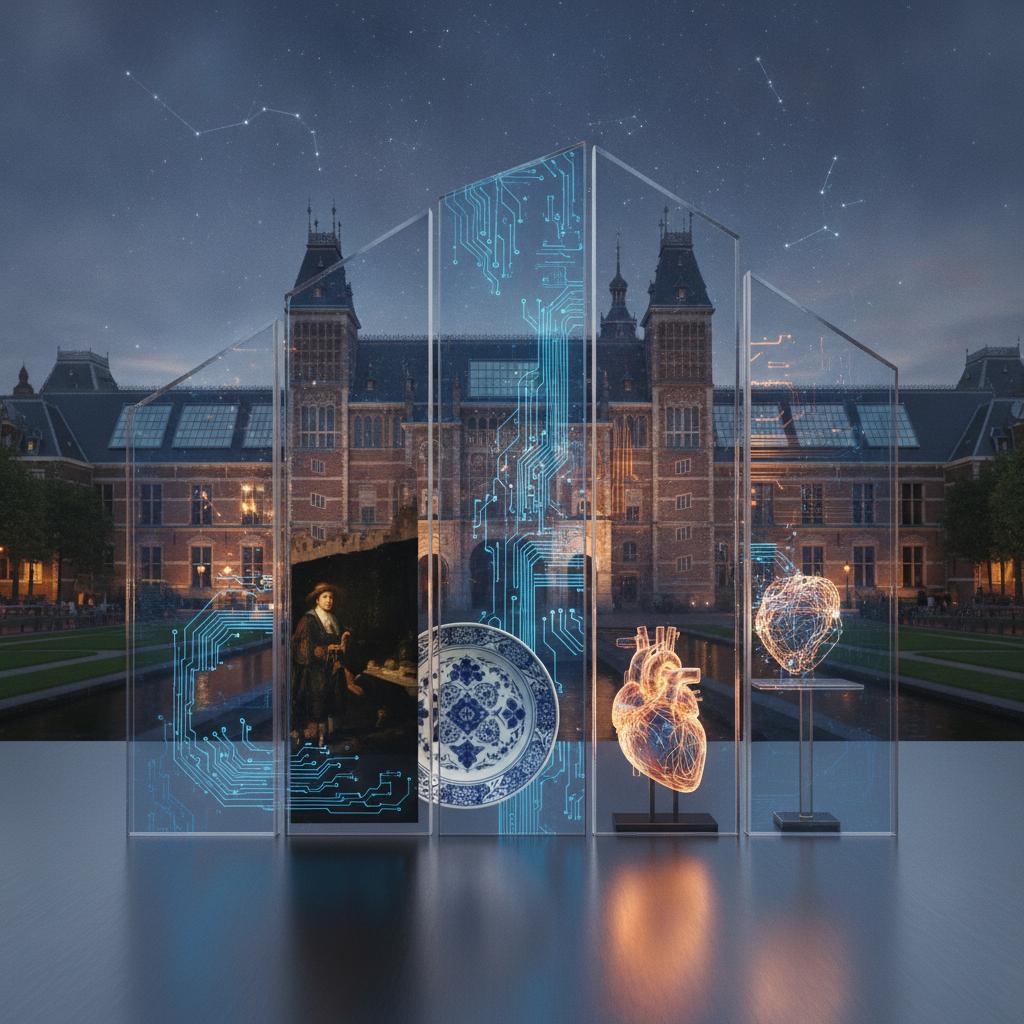
Rijksmuseum: Where Art, Architecture, and the Digital Future Meet
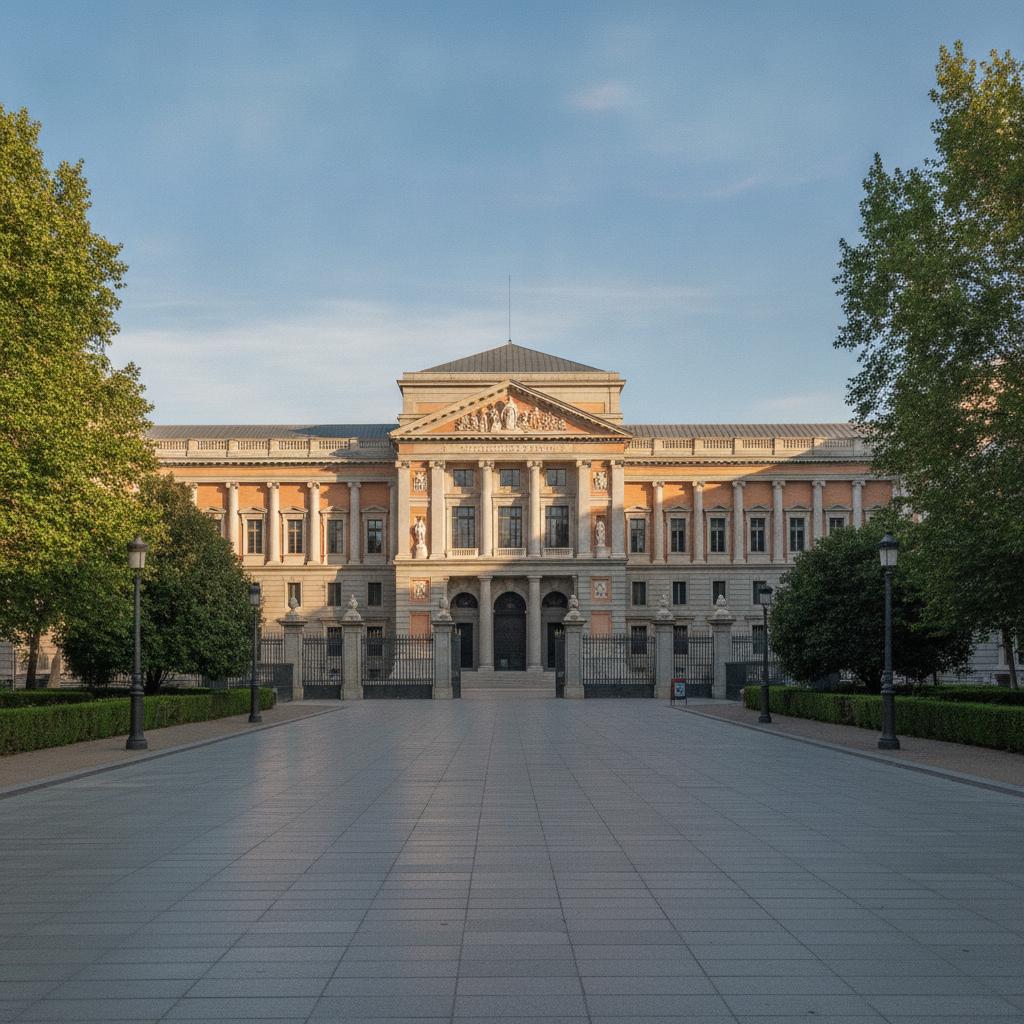
Located in Amsterdam, Netherlands, the Rijksmuseum is one of the world's most prestigious cultural institutions, blending classical artworks with a modern museum approach. Designed in the late 19th century by Pierre Cuypers, the historical building was perfectly adapted to today's innovative museum standards following a 10-year restoration process.
1. Design and Spatial Organization
The architectural language of the Rijksmuseum is an original combination of Gothic Revival and Renaissance Revival styles. One of the building's most striking architectural features is the public passage running through the center of the structure. In the renovation project carried out by Cruz y Ortiz Arquitectos, spacious and bright indoor areas were created while preserving the historical fabric. Covering the atrium areas with glass allowed natural light to reach deep into the building and created a fluid circulation scheme between the exhibition halls.
2. Technology and Digital Innovations
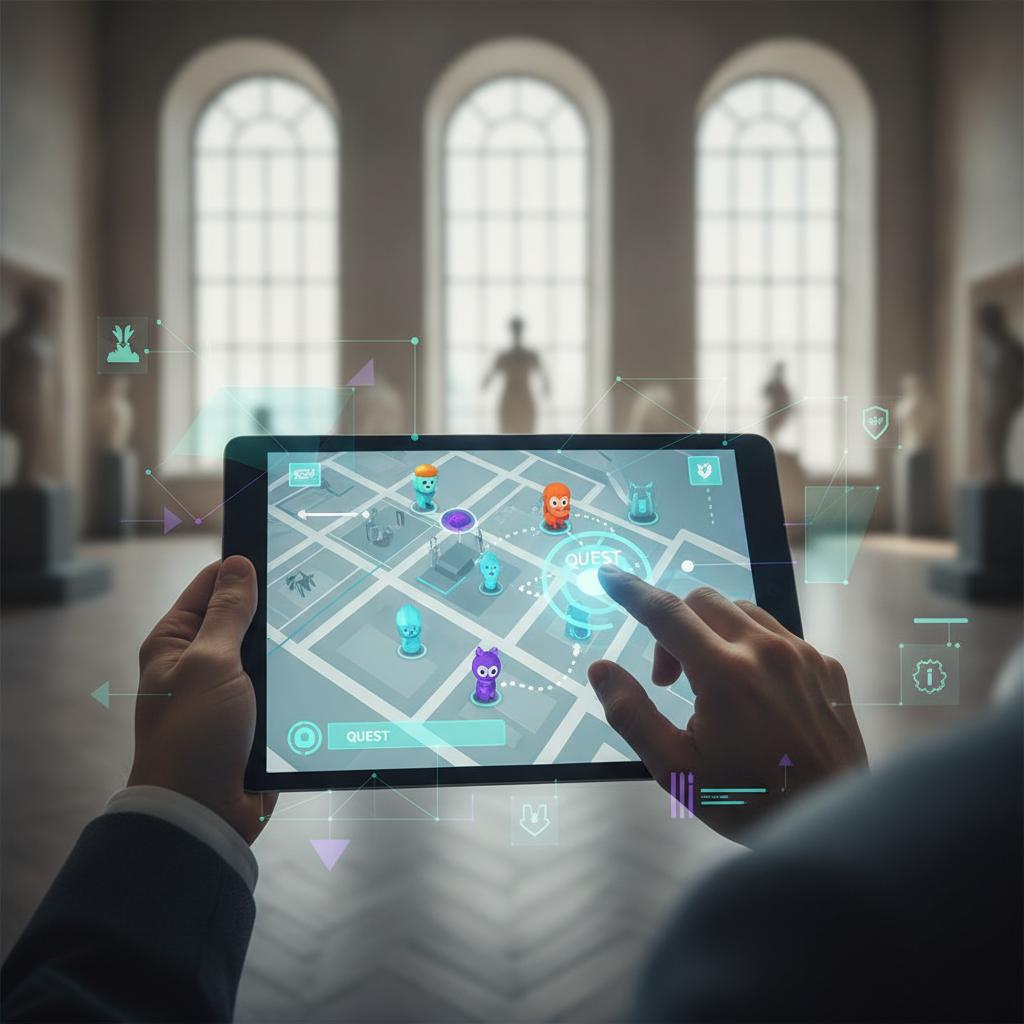
The museum is known for its 'Rijksstudio' project, which leads the museum world in digital transformation. This platform offers high-resolution digital images of thousands of works in the collection to the public royalty-free. Visitors and researchers can download, zoom in on, and use these images in their own creative designs. As for the in-museum experience, interactive mobile apps, multimedia guides, and customizable tour routes are offered to visitors.
3. Art and Curatorial Approach
The Rijksmuseum collection houses iconic masterpieces of the Dutch Golden Age, such as Rembrandt's 'The Night Watch' and Johannes Vermeer's 'The Milkmaid'. The curatorial approach follows a chronological line while holistically presenting the socio-economic and cultural context of the era. The advanced LED technology used in lighting the artworks preserves the naturalness of colors while enhancing visual depth.
4. Functionality and Operational Efficiency
The renovated entrance complex ensures that thousands of daily visitors are admitted quickly and safely. Visitor wayfinding systems are clearly designed. In terms of accessibility for disabled visitors, elevators, ramps, and special hearing/vision support systems are integrated throughout the space. Resting areas, cafe, and shop layouts are positioned at points that will not disrupt the flow of visitors.
5. Budget and Financial Structure
The total cost of the major renovation and restoration project that took place between 2003 and 2013 is documented at approximately 375 million euros. This budget was managed by combining Dutch state funds, sponsorships, private donations, and the museum's own equity. Today, the museum operates a sustainable business model through ticket sales, licensing revenues, gift shops, and private event organizations.