Guggenheim Bilbao: Synergy of Architecture and Art
Today, museums have evolved beyond static spaces where historical and artistic works are merely displayed, transforming into dynamic cultural centers that reshape the identity of the cities in which they are located. As one of the most concrete and inspiring examples of this major transformation, the Guggenheim Museum Bilbao in Spain stands out with the innovations it has brought to modern architecture and contemporary museology.
1. Architectural Design and Spatial Organization
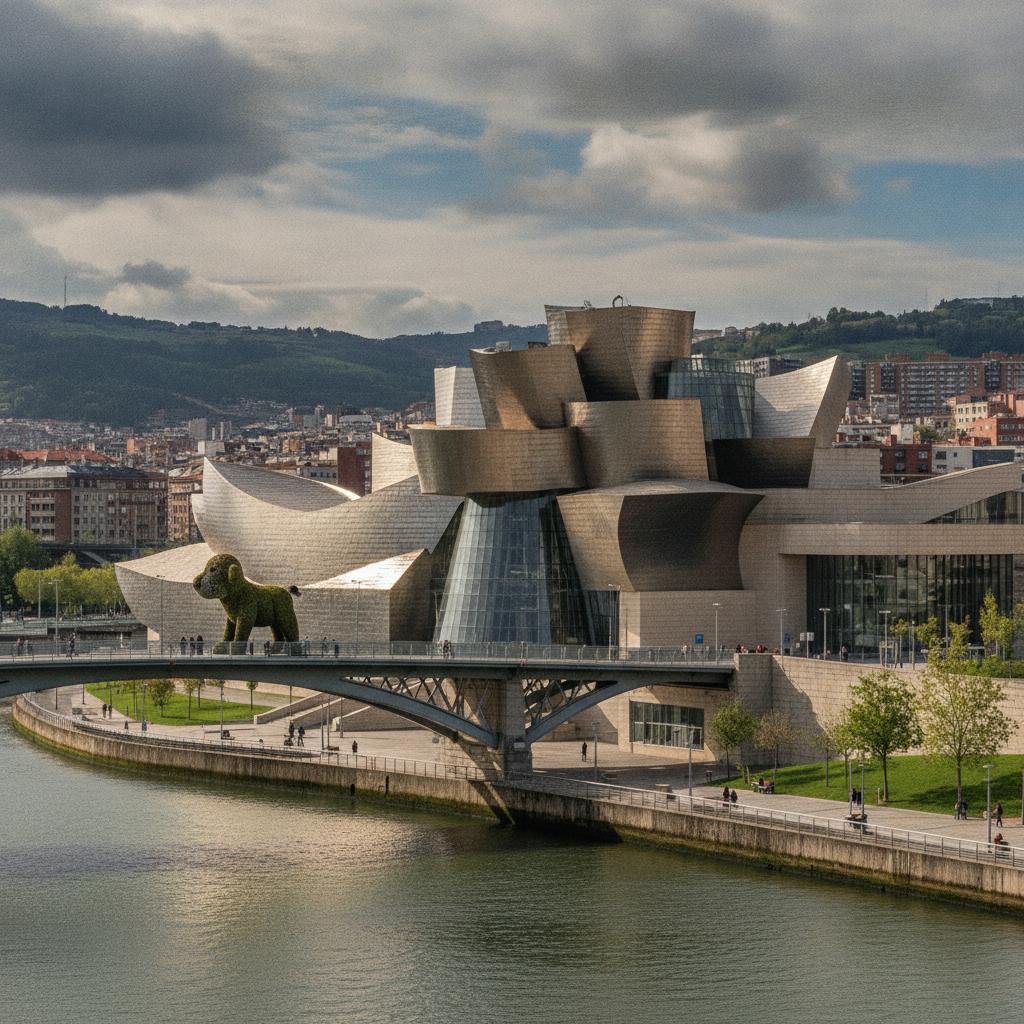
Designed by architect Frank Gehry, the building is one of the world's most prominent symbols of the deconstructivist style. Blending titanium, limestone, and glass materials, the exterior facade resembles a living sculpture with its organic and curving lines. Situated on the banks of the Nervión River, the museum establishes a strong dialogue between the urban fabric and the element of water.
The massive 55-meter-high atrium inside serves as the heart of the building. Natural light filtering through light wells illuminates the gallery spaces while offering visitors a spacious atmosphere. Transparent glass bridges and curved staircases turn the movement between different exhibition halls into a visual experience.
2. Technology Integration
The Guggenheim Bilbao was brought to life even during its construction phase using groundbreaking technology in the architectural world. The building's complex geometric forms were designed and calculated thanks to the CATIA software used in the aerospace industry. Modern digital information screens, multilingual audio guides, and mobile applications used in the exhibition spaces allow visitors to easily grasp the stories behind the works.
3. Art Collection and Curatorial Approach
The museum's collection focuses on 20th and 21st-century contemporary art. Huge galleries specifically designed for large-scale and site-specific installations host monumental works by master artists such as Richard Serra and Louise Bourgeois. The ongoing collaboration with the Solomon R. Guggenheim Foundation enables the staging of continuously renewed curatorial exhibitions at an international level.
4. Functionality and Visitor Experience
The building features wide circulation routes capable of comfortably managing high visitor traffic. Elevators and ramps that fully comply with accessible design standards provide equal access to all areas. Social amenities such as ticketing, information desks, gift shop, and cafe are positioned at the entrance level to enhance operational efficiency.
5. Budget and Economic Impact
Completed at a construction cost of approximately 89 million US Dollars, the project was funded by the public resources of the Basque Government. The concept known as the 'Bilbao Effect' in architectural literature symbolizes the success of this investment. Through the tourism revenues generated since its early years, the museum quickly recouped its construction costs and made a colossal contribution to the regional economy.
Conclusion
The Guggenheim Museum Bilbao continues to be one of the most successful global examples of contemporary museology through its architectural boldness, technological infrastructure, functional design, and contribution to urban regeneration.