THE CONCEPT OF MUSEUM IN THE HISTORICAL PROCESS 2
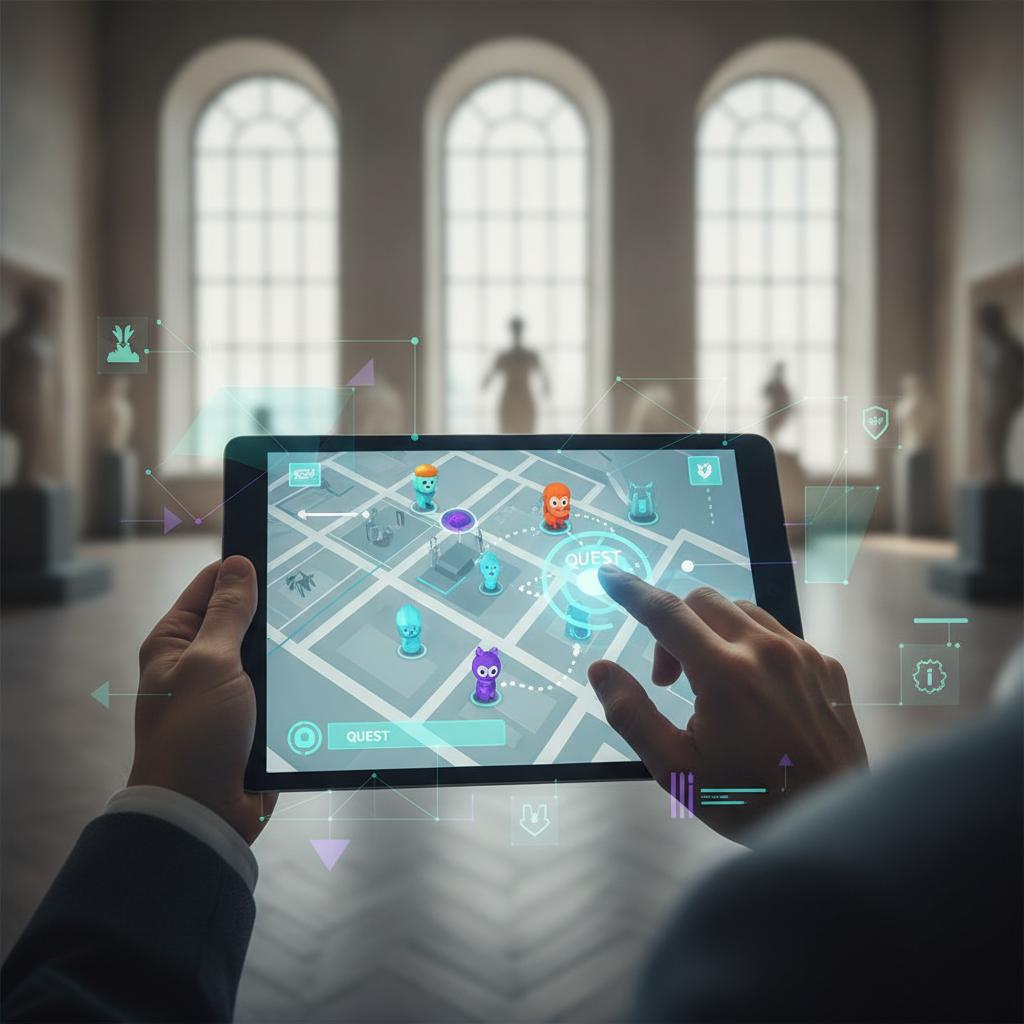
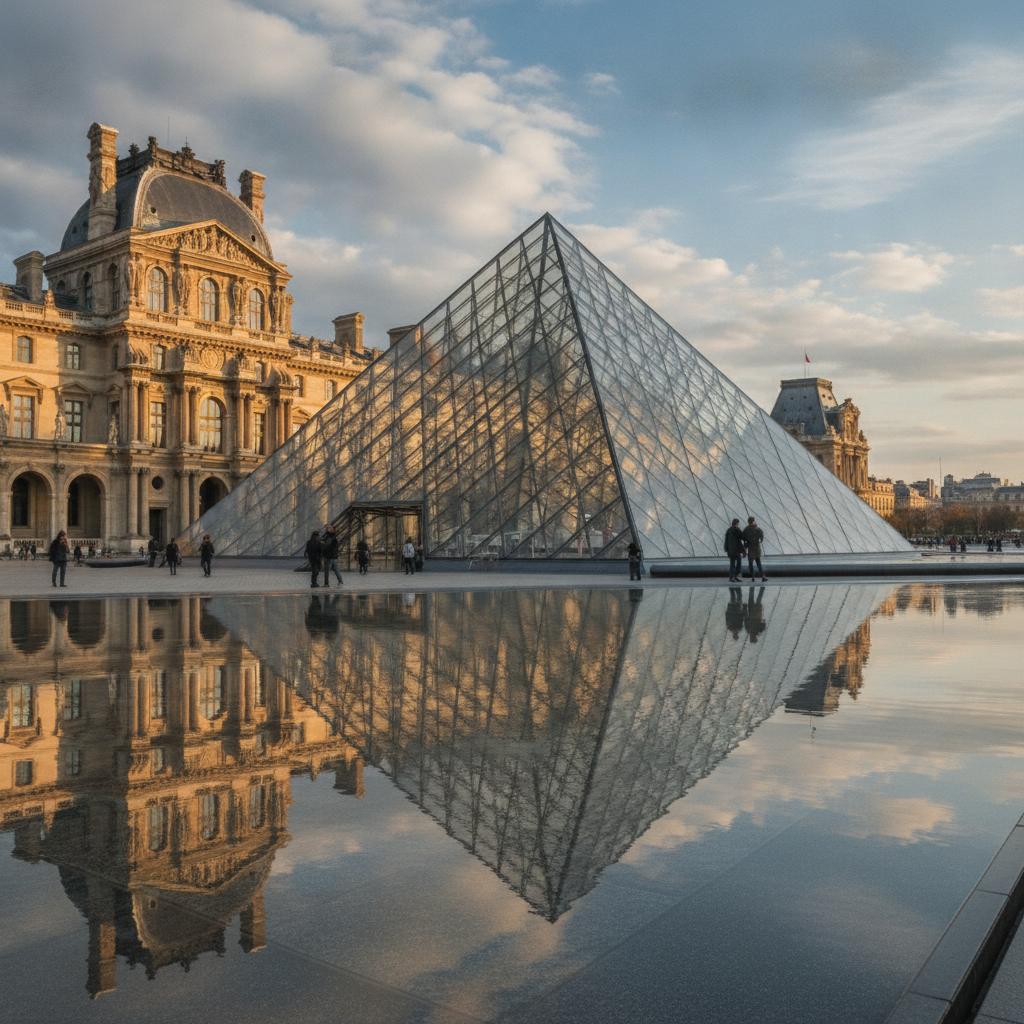
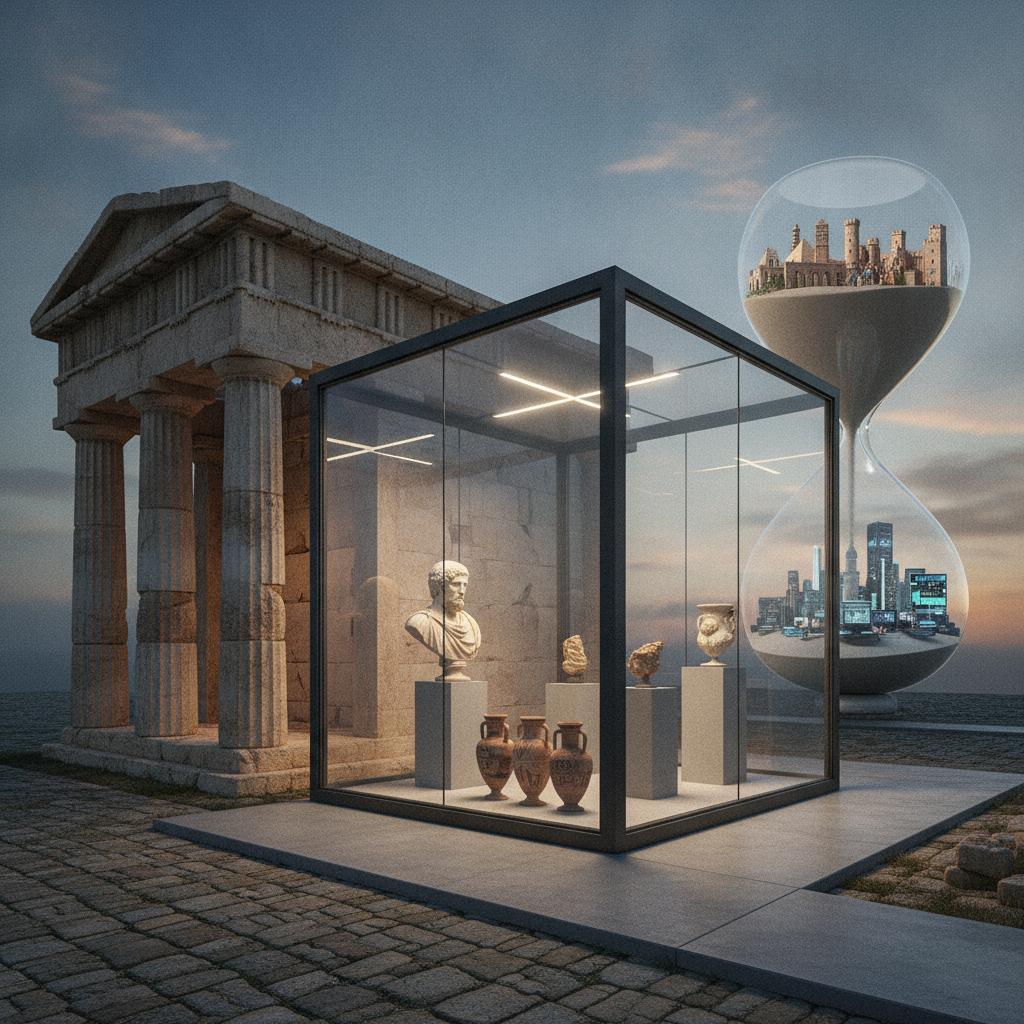
The late 20th century and the 21st century have been a period in which museums have further expanded their educational and research functions. With the impact of digitalization, museums now go beyond being mere physical spaces and reach millions of visitors through online platforms. Today, giant museums such as the Louvre and the British Museum make their art collections accessible digitally, giving people the opportunity to explore artworks even from different continents. While this transformation allows museums to reach a broader audience, it has also strengthened the educational functions of these institutions. However, alongside the concept of virtual museology, questions such as whether museums are a space and whether a physical structure is necessary have also emerged. Today, these questions still cause lengthy debates. In my opinion, just as it is indisputable that the concepts of museology and digitalization must come together in our era, it should be equally indisputable that the concept of a museum should not be considered independent of a physical space.
To summarize, as can be understood, the concept of the museum has constantly evolved throughout history, shaped by the requirements of the time and the unique needs of different societies. Initially spaces exclusive to artists and scientists, museums have over time become institutions serving society for public education and cultural development. Today, museums play the role of an important bearer of social memory and a transmitter to future generations. Along with advancing technology, this role brings efforts to effectively maintain presence in the digital world beyond being just a physical space; however, where digitalization in this field will evolve still remains unknown. What is clear is that technological developments have led to, and will continue to lead to, revolutionary transformations in museology, as in every field.