THE CONCEPT OF MUSEUM IN HISTORICAL PROCESS 1
The origins of the museum concept first encounter us in Ancient Greece with the word "mouseion". These structures were sacred places dedicated to the Muses, goddesses of inspiration, functioning as places that inspired art and science. Mouseions preserved the intellectual heritage of antiquity while serving as gathering places for scholars and artists. However, the works contained within them were restricted to elite circles rather than being open to public access. Therefore, it is appropriate to state that while this initial concept shares a connection with today's museum, it exhibits significant differences regarding its target audience.
In addition, it should be noted that: “The first museum in the world was established in Alexandria during the reign of Ptolemy I in 300 BC. The first building called a museum was actually a university, formed by bringing together schools that valued art and science. Rather than works of art, this first museum contained ancient books. In later years, museums were gradually filled with works of art.”
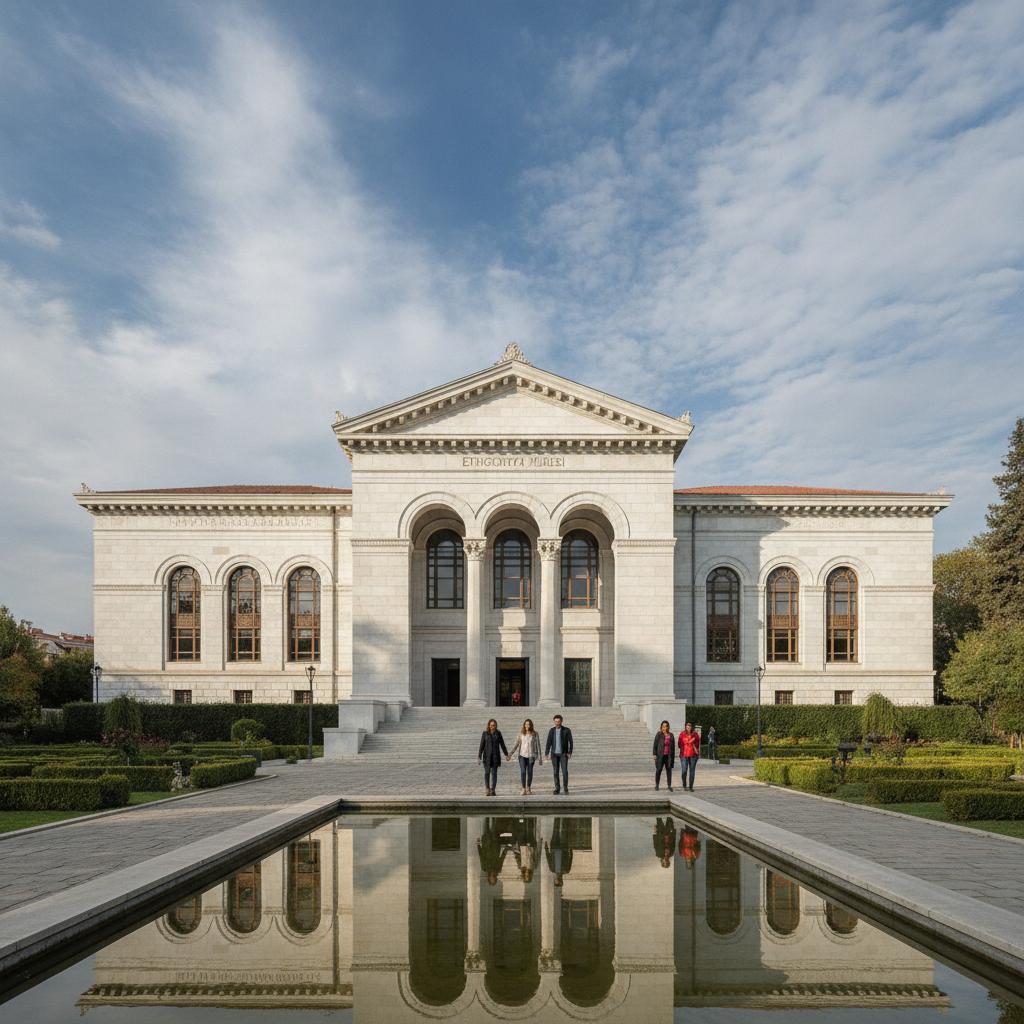
The collections that can be considered the true origins of modern museums first emerged during the Renaissance. Wealthy aristocrats of that era, especially in Italy, began collecting art objects and displaying them in their palaces. This period marked a turning point in the development of museology. When wealthy and established families like the Medicis shared their collected art objects with the public, the function of museums began to shift from private collections toward educating the public. The Uffizi Gallery in Florence stands as one of the symbols of this transition.
In the 18th century, with the Age of Enlightenment, museums assumed the duty of preserving and disseminating the cultural memory of societies. During this period, museums came to be viewed as instruments of public education and began addressing broad masses. The Louvre Museum, opened in 1793, is one of the most significant institutions established after the revolution to introduce the public to art and history. Under the influence of the French Revolution, private collections of the aristocratic class were opened to public access, marking the beginning of the democratization process of museums. On the other hand, another phenomenon unfortunately emerged during the same period: the process of adding artifacts with historical heritage status brought from colonized or occupied lands to European museum collections and displaying them... This situation, which remains a significant issue to this day, has caused a critical dilemma where many world-famous museums are perceived as owners of historical heritage belonging to territories and nations far beyond their host countries.
With the Industrial Revolution, there was a massive increase in the number of museums across Europe and America. In the 19th century, museums began playing an important role in constructing national identities, becoming "places of memory" showcasing countries' historical and cultural heritage. During this period, museums started displaying not only art and historical artifacts but also scientific discoveries, appealing to all segments of society. Thus, museums gradually became prominent institutions in social education through their collections and display methods. From this period onward, museums established a unique position within the educational systems created by states to raise 'ideal citizens'.