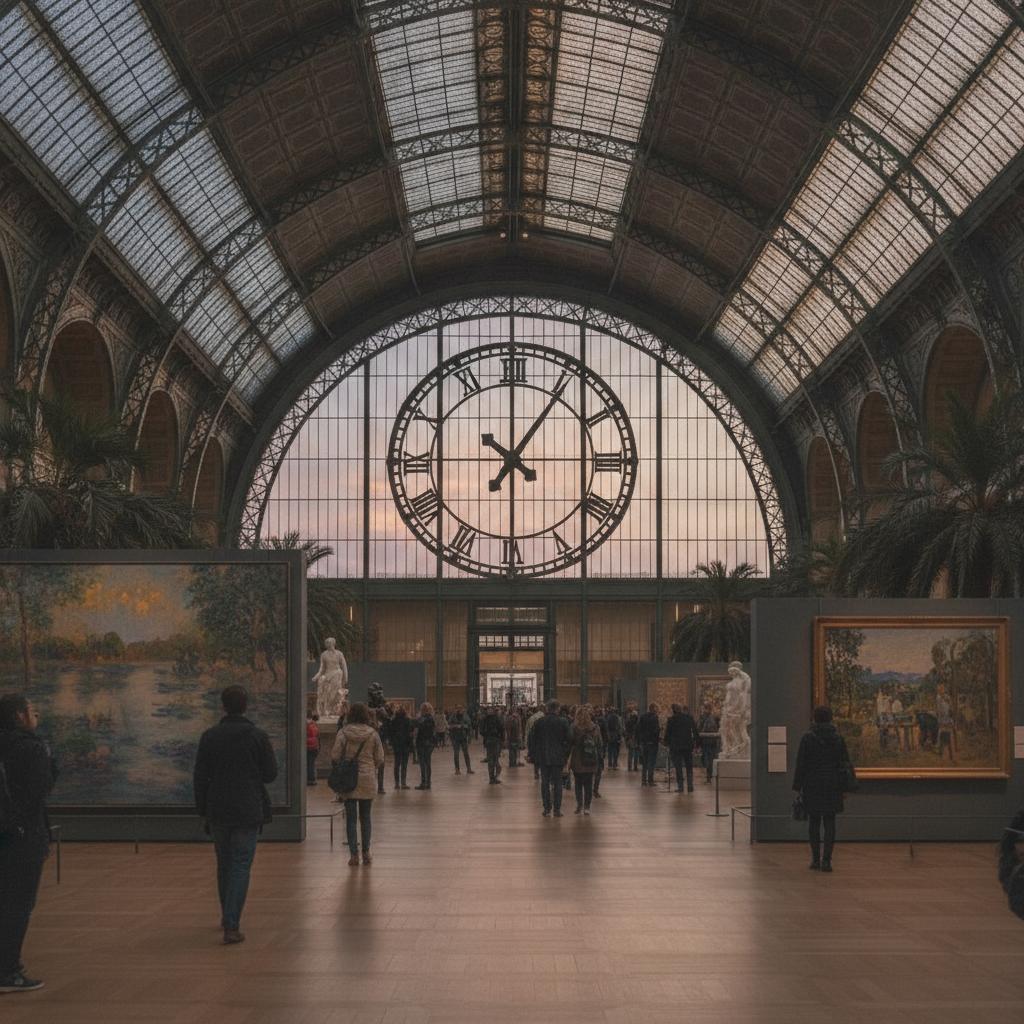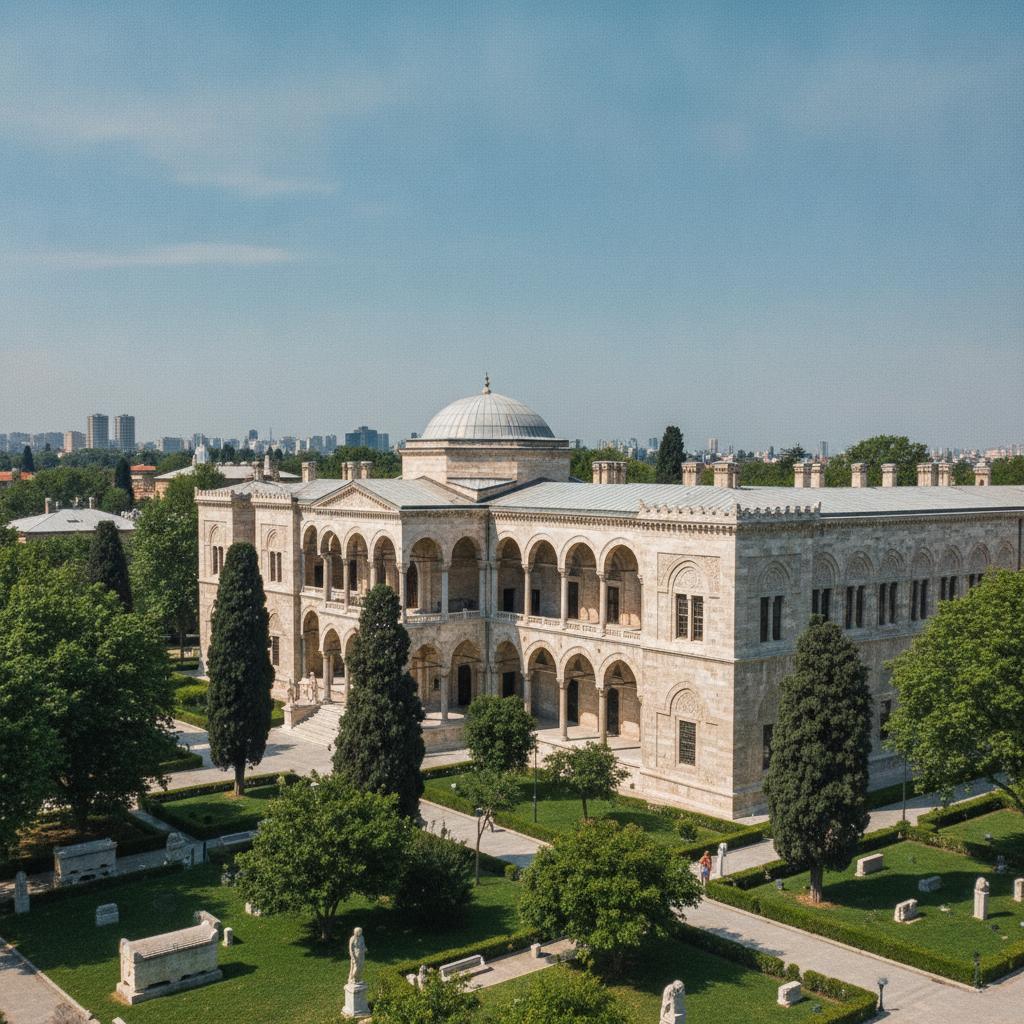
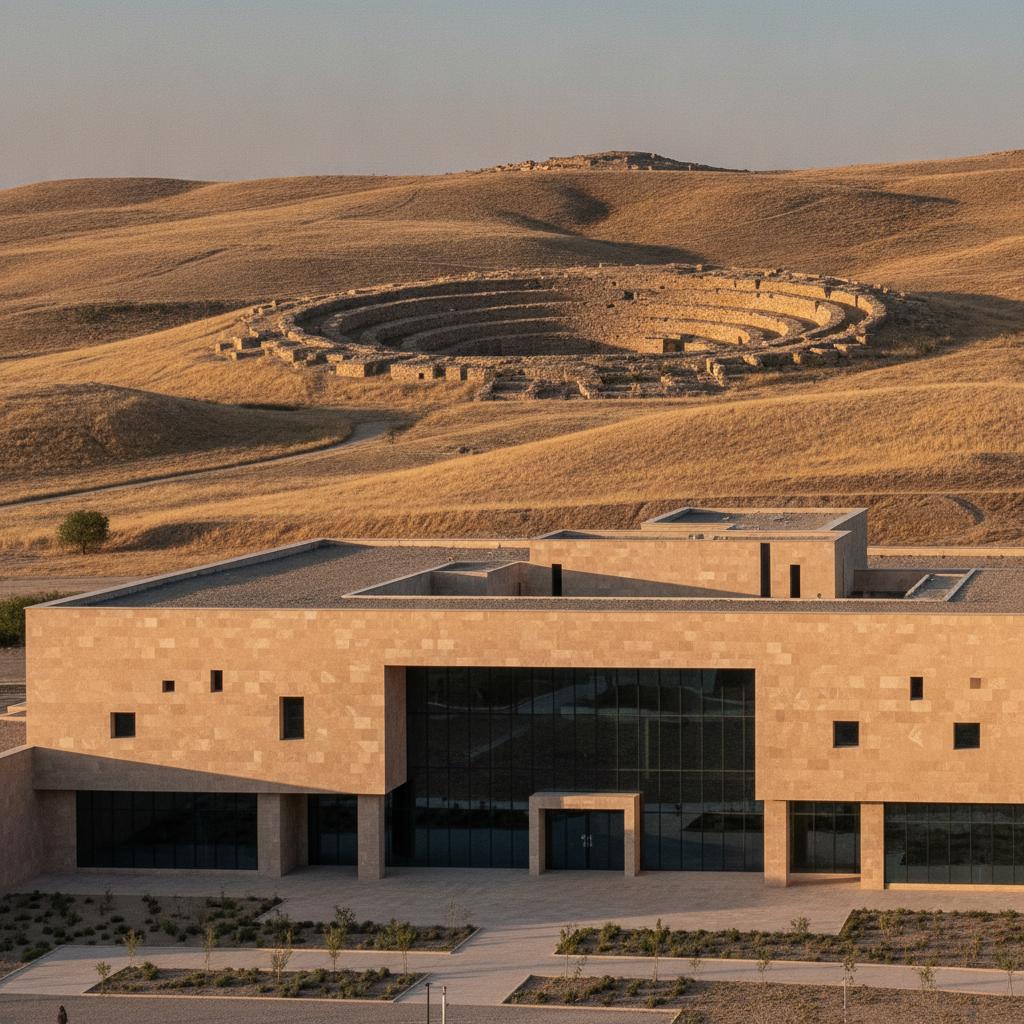
Şanlıurfa Archaeology Museum and Göbeklitepe
In the fourth stop of our Museums of Turkey article series, we are heading to Şanlıurfa, a place where the story of not only Turkey but all humanity has been rewritten, conventional wisdom shattered, and time virtually stands still. Leaving behind the colorful mosaics of Gaziantep and heading into the heart of Mesopotamia blessed by the Euphrates and Tigris rivers, a 12,000-year-old secret awaits us. The Şanlıurfa Archaeology Museum and its inseparable counterpart Göbeklitepe are the epicenter of a revolution that fundamentally transformed modern humans' definition of "civilization".
Zero Point of History: Göbeklitepe and the Collapse of Paradigms
Visiting the Şanlıurfa Museum without understanding Göbeklitepe is like reading only the last page of a book. Excavations initiated in 1995 by German archaeologist Klaus Schmidt revealed a world-shattering truth. Before humans transitioned to settled life, began practicing agriculture, or even knew how to make pottery, they had built massive temples.
Our old history books used to tell us that agriculture started first, and then humans settled down and built cities. Göbeklitepe inverted this sequence. Here we see that what brought people together was not hunger or the need for shelter, but the "need to believe". Inscribed on the UNESCO World Heritage List in 2018, this site is humanity's oldest known center of belief. It is also worth noting that these conclusions are based on current findings, and new documents and evidence emerging tomorrow could shift the paradigm once again.
The T-shaped megaliths found at Göbeklitepe, weighing up to 20 tons and standing over 6 meters tall, are actually stylized human figures. Reliefs of hands, arms, and belts are clearly visible on them. However, these figures have no faces. The depictions of animals such as lions, snakes, bulls, scorpions, and cranes carved onto these megaliths symbolize the connection that humans of that era had with nature and their fears. Dated to around 9600 BCE, these structures virtually come back to life today inside the museum through original artifacts and full-scale replicas.
Turkey's Largest Museum Complex: Şanlıurfa Archaeology Museum
More of the monumental atmosphere you witness at Göbeklitepe, along with the original artifacts, is on display at the Şanlıurfa Archaeology Museum in the city center. As Turkey's largest museum with an indoor area of 30,000 square meters, this structure takes you on an uninterrupted chronological journey from the Paleolithic Era to the Islamic Period. The walking route inside is approximately 4.5 kilometers long, but do not let this distance intimidate you; a masterpiece encountered at every step makes you forget your fatigue.
The Museum's "Star": Urfa Man
The most precious artifact of the museum is undoubtedly the figure known as "Urfa Man" (Balıklıgöl Statue). Dated to around 10,000 BCE, this masterpiece holds the title of "the world's oldest life-sized human sculpture". Standing before this limestone figure that gazes at you from 12,000 years ago with obsidian (volcanic glass) eyes feels like coming face to face with the childhood era of humanity. With hands clasped in front and a solemn stance, this statue represents a dignity spanning thousands of years.
Nevalı Çori and Traces of the Iron Age
One of the most impressive sections inside the museum is the Nevalı Çori Temple, dated to around 8500 BCE. Dismantled stone by stone before being submerged by the waters of the Atatürk Dam, transported to the museum, and reassembled here faithfully to its original form, this structure is the first complete example of a temple saved through rescue excavations.
As you continue your journey, the Assyrian seals you encounter reveal the complex diplomacy and trade network of the Iron Age. These small yet intricate Mesopotamian seals offer unique evidence regarding the bureaucracy of that era.
Haleplibahçe Mosaics: Traces of Warrior Women
Located right next to the museum complex, the Haleplibahçe Mosaic Museum tells a completely different story. The most significant feature of these Roman-era mosaics is that they host the world's only known mosaic depictions of the mythological "Amazon Warrior Women". The vibrancy and detail of the mosaics are impressive enough to rival Zeugma. Preserved and exhibited in-situ, hunting scenes and mythological figures give visitors the feeling of strolling inside an ancient villa.
Why Should You Visit This Museum?
Exploring the Şanlıurfa Archaeology Museum is much more than a history lesson. It makes us question our roots; being within touching distance of a relief created by a human hand 12,000 years ago deepens your sense of belonging. Enhanced by modern display techniques, videos, and reenactments, this place is a visual feast. Here, you see most clearly that humans in the wild did not merely try to survive, but also produced extraordinary art and belief systems.
Visiting the Göbeklitepe archaeological site before entering the museum allows the artifacts in the museum to transform into a grand picture in your mind. And naturally, taking a break in the peaceful atmosphere of Balıklıgöl after finishing the museum tour is an essential part of any trip to Urfa.