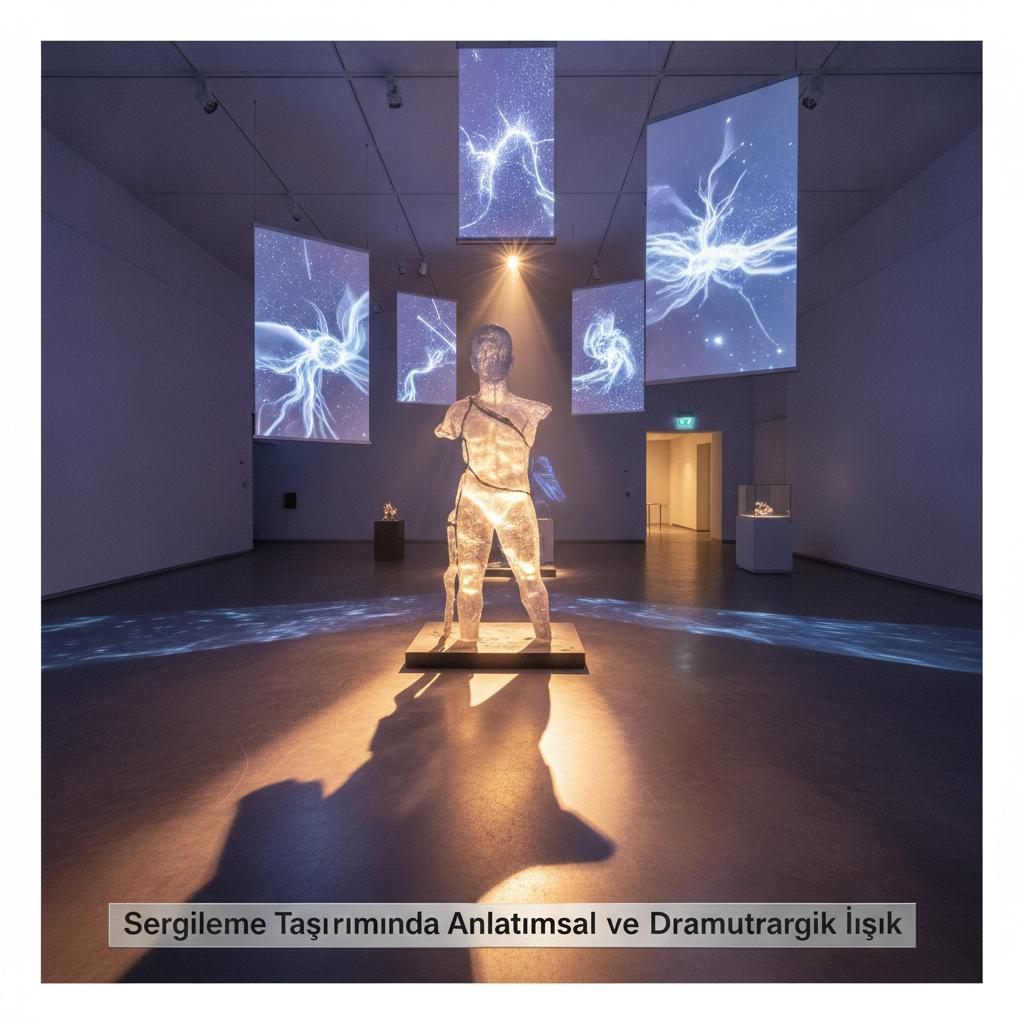
Narrative Lighting and Dramaturgical Lighting in Exhibition Design
In contemporary exhibition design, lighting has gone beyond being merely a technical requirement that makes objects visible. Light is a fundamental design element that determines the atmosphere of the space, guides visitor perception, and enhances the story of the displayed objects. Narrative lighting and dramaturgical lighting techniques transform the visitor experience by shaping the sensory and cognitive layers of the exhibition setup.
What is Narrative Lighting?
Narrative lighting is the use of light as a spatial narrative tool to support an exhibition's script through a visual language. In this approach, light indicates to the visitor what to look at, in what order to process information, and how to navigate through the space.
The primary roles light plays in a narrative arrangement are as follows:
- Establishing Visual Focus: Specific objects are highlighted and focal points are created by adjusting the intensity and angle of light.
- Creating Hierarchy: The relationship between main artworks and supporting text or materials is emphasized through varying lighting levels.
- Spatial Rhythm: Transitions between dark and illuminated areas maintain a sense of curiosity by creating flow and tempo within the exhibition.
The direction and diffusion of light shape how we perceive the texture and volume of objects. For instance, an oblique light from the side accentuates surface details and reliefs, bestowing a three-dimensional character upon the object. Conversely, a steep overhead light can impart a monumental and majestic aura to the item.
Dramaturgical Lighting Techniques and Emotional Connection
Dramaturgical lighting encompasses a suite of techniques inspired by the performing arts that establishes an emotional tone in the exhibition space. The color, use of shadow, sharpness, and angles of light are strategically planned to evoke the feeling required by the subject matter. The objective is to draw the visitor into the thematic world of the exhibition and foster a mental engagement.
Light and Shadow Contrast
Sharp light and shadow contrasts heighten the sense of drama and tension in the space. Deep shadows cast behind objects are preferred to reveal the mysterious or tragic aspects of the displayed theme. In contrast, soft and uniform lighting offers a more tranquil, neutral, and examination-based atmosphere.
Color Temperature and Atmosphere
The light spectrum and color temperature directly affect the visitor's perception of time and space. Warm yellow tones evoke a sense of the past or intimacy, whereas cool white or blue tones create a distant, modern, or analytical environment. In dramaturgical staging, color temperature can change in parallel with the story's turning points.
Holistic Spatial Design and Light Balance
In successful exhibition design, narrative lighting and dramaturgical lighting must exist in complete harmony with the architectural structure and exhibition scenario. A delicate balance between functionality and aesthetics should be established by avoiding excessive and fatiguing lighting effects. A properly conceived lighting design offers a profound storytelling experience that transcends the physical presence of the objects.