Bodrum Museum of Underwater Archaeology
A Watch of History in a Knight's Castle: Castle of St. John
Before entering the museum, one should get to know Bodrum Castle, which hosts the museum itself. Built by the Knights of St. John in the early 15th century, this castle came under Ottoman rule with the conquest of Rhodes in 1522. Each tower of the castle (French, English, Italian, German, and Snake Towers) unites different languages and cultures of Europe at that time in a single defense line.
In the 1960s, the work conducted on regional shipwrecks by George Bass—considered the father of modern underwater archaeology—and his team paved the way for this castle to be transformed into a museum. Today, as you walk through the courtyards of Bodrum Castle, peacocks fluttering overhead and centuries-old trees make you feel like you are not in a military structure, but in a living historical laboratory.
Time Capsules Under the Water: Shipwrecks
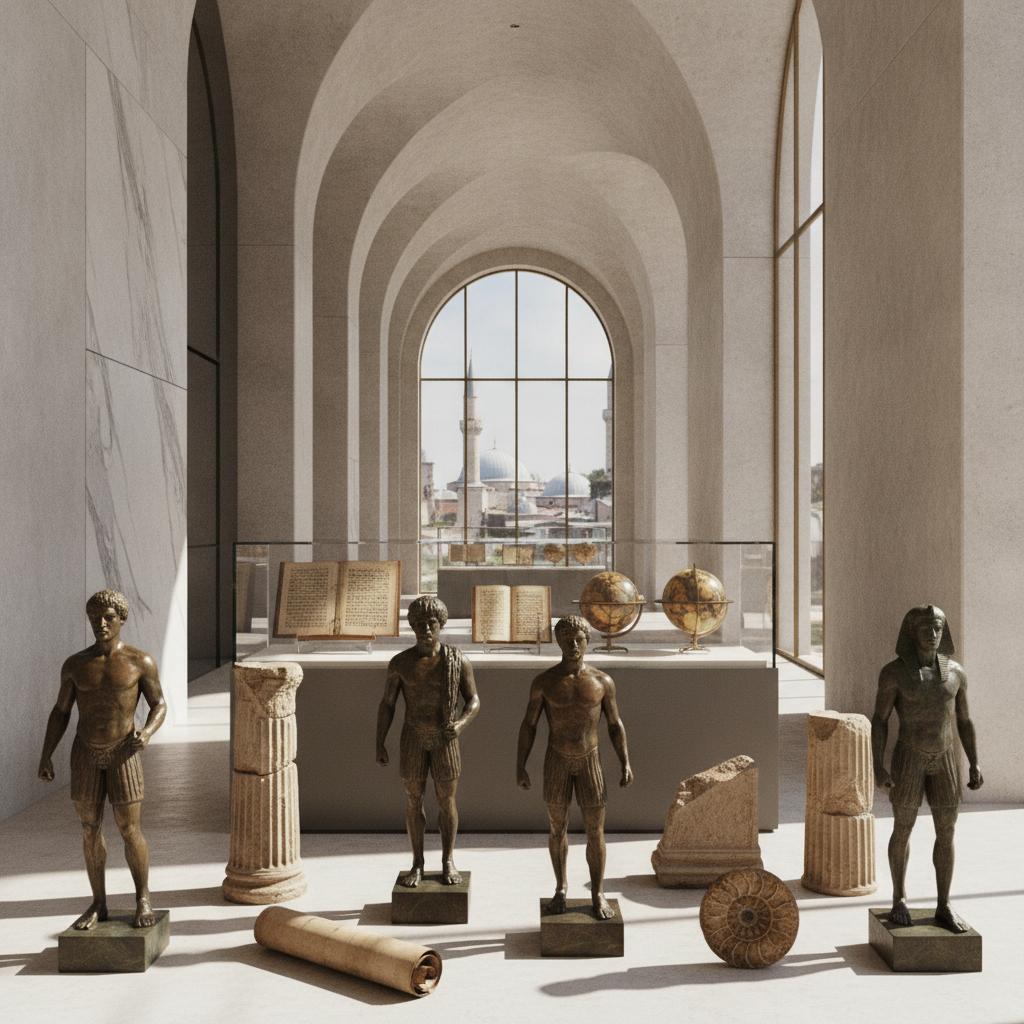
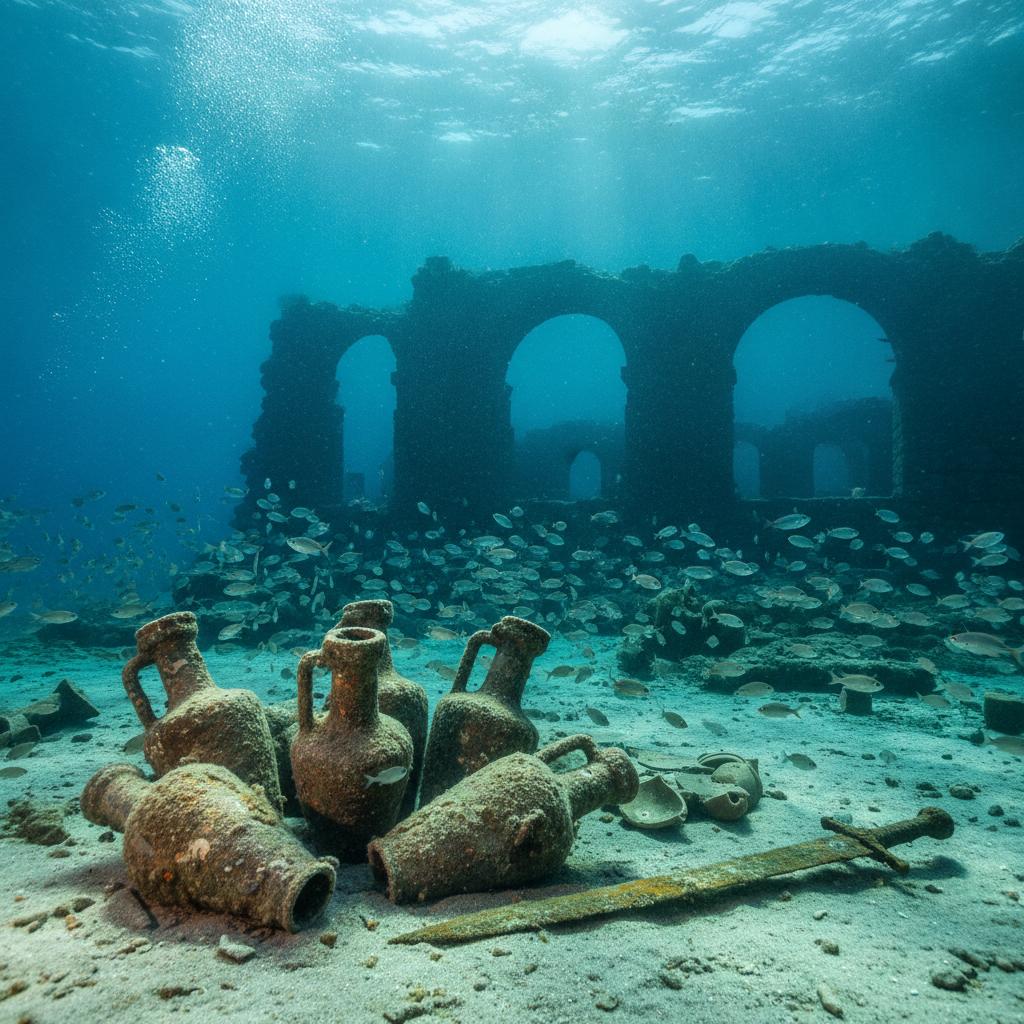
The most fundamental feature distinguishing the Bodrum Museum of Underwater Archaeology from its global peers is that artifacts are displayed along with their "context." In other words, you do not merely see an amphora; you also learn on which ship that amphora was carried 3,000 years ago, for what purpose, and how that ship sank.
1. The World's Oldest: Uluburun Shipwreck
The museum's most precious treasure is the Uluburun Shipwreck, dating back to the 14th century BC. This vessel is the oldest known open-sea shipwreck in the world today. Belonging to the Late Bronze Age, this ship was essentially like a "floating palace" or a royal caravan. The raw copper ingots, ivory pieces, priceless gold jewelry, and the world's oldest known wooden writing tablet recovered from it prove how complex and rich the Eastern Mediterranean trade network was during that era. As you tour this section, reconstructions representing the underwater excavation moments let you experience the excitement of those depths firsthand.
2. Serçe Limanı Glass Wreck
Dating back to the 11th century AD, this shipwreck is the most concrete proof of trade between the Islamic and Byzantine worlds. Millions of glass fragments recovered from the ship were pieced together by archaeologists through years of patient effort, yielding a magnificent glass collection. Seeing how a broken piece of glass was transformed into a masterpiece of art a thousand years later is one of the museum's most impressive moments.
The Return of a Carian Princess: Ada
The museum has a "noble" guest coming not only from beneath the water, but also from beneath the soil: Carian Princess Ada. A sarcophagus accidentally discovered during a foundation excavation in Bodrum in 1989 astonished the whole world with the magnificent gold jewelry and well-preserved skeleton found inside.
As a result of examinations and skull reconstruction, this woman is believed to be Ada, the powerful queen of the ancient Carian period. Exhibited today in her private hall at the museum wearing her golden crown and period attire, the Carian Princess directly invites visitors into the noble world of antiquity. This room is one of the most mystical corners of the museum.
Amphorae: Barcodes of Antiquity
The massive amphora collection that catches your eye as you walk through the museum garden and corridors is essentially the logistical history of the ancient period. Used for carrying wine, olive oil, and grain, these vessels serve as "barcodes" for archaeologists through their seals and shapes. Knowing which amphora came from which city and what it carried allows us to map out the economic landscape of that era. Boasting one of the richest amphora collections in the world, the museum offers an unmatched library on maritime trade.
Life in the Towers and the Hidden Museum
While touring the Bodrum Museum of Underwater Archaeology, you also discover the towers of the castle as exhibition spaces.
English Tower: Takes you to a banquet hall with its interior lion reliefs and medieval atmosphere. The bronze weapons and knight armor displayed here tell the castle's defensive history.
Snake Tower: Also known as the "Hidden Museum," this tower displays smaller yet highly precious artifacts. Examining intricate artifacts ranging from ancient jewelry to seals in the dim light of the tower is fascinating.
Why Should You Visit?
Visiting the Bodrum Museum of Underwater Archaeology is not merely a museum tour; it is smelling the wind, sensing the mystery of the sea, and hearing the footsteps of knights. This place is:
A Scientific Pioneer: Here, you best learn how underwater archaeology is conducted and how a shipwreck is brought to light centimeter by centimeter.
Harmony of Space and Artifact: Exhibiting an artifact in the most iconic structure of the geography to which it belongs makes the story far more convincing.
Colors of History: You see a broad spectrum within a single castle, from the gold of the Bronze Age to Byzantine glass, and from Roman amphorae to medieval knight swords.
After touring the museum, climbing to the highest bastion of the castle to look out over Bodrum harbor and imagining the thousands of years of secrets still waiting to be discovered under the water is the finest finale to this visit.