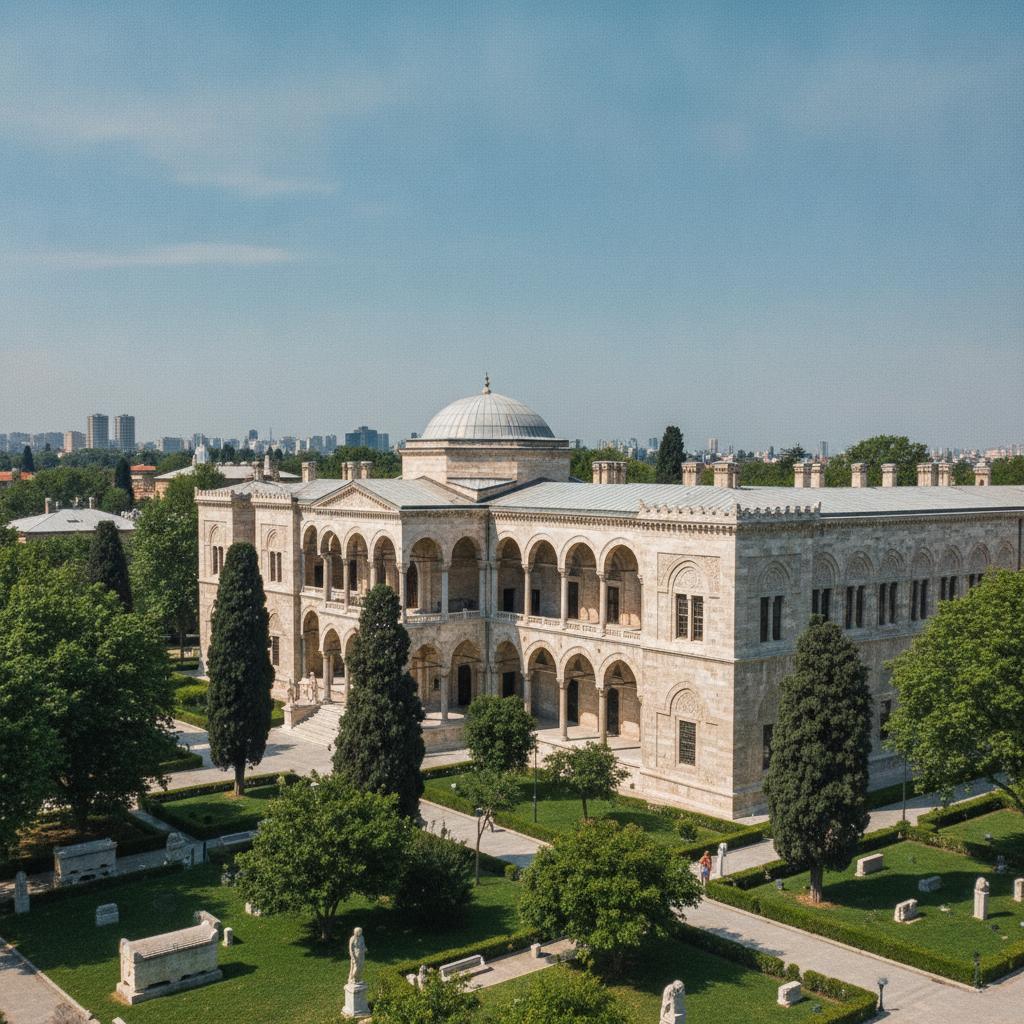
An Imperial Heritage: Istanbul Archaeology Museums
The Istanbul Archaeology Museums is a massive complex consisting of three main units: the Archaeology Museum, the Museum of the Ancient Orient, and the Tiled Kiosk Museum. This is one of the most precious institutions inherited from the Ottoman Empire by the Republic of Turkey. The history of the museum actually bears the signs of the birth of modern Turkish museology.
Osman Hamdi Bey and the Rise of the Imperial Museum
Until the late 19th century, many precious artifacts from Ottoman lands were carried off by Western archaeologists to museums in Europe (such as the British Museum and the Louvre). The person who put a stop to this trend was Osman Hamdi Bey, a painter, archaeologist, and visionary. Prior to Osman Hamdi Bey, the Ottoman State had initiated efforts regarding museology, but it was Osman Hamdi Bey who systematized this field and showed how artifacts should be preserved.
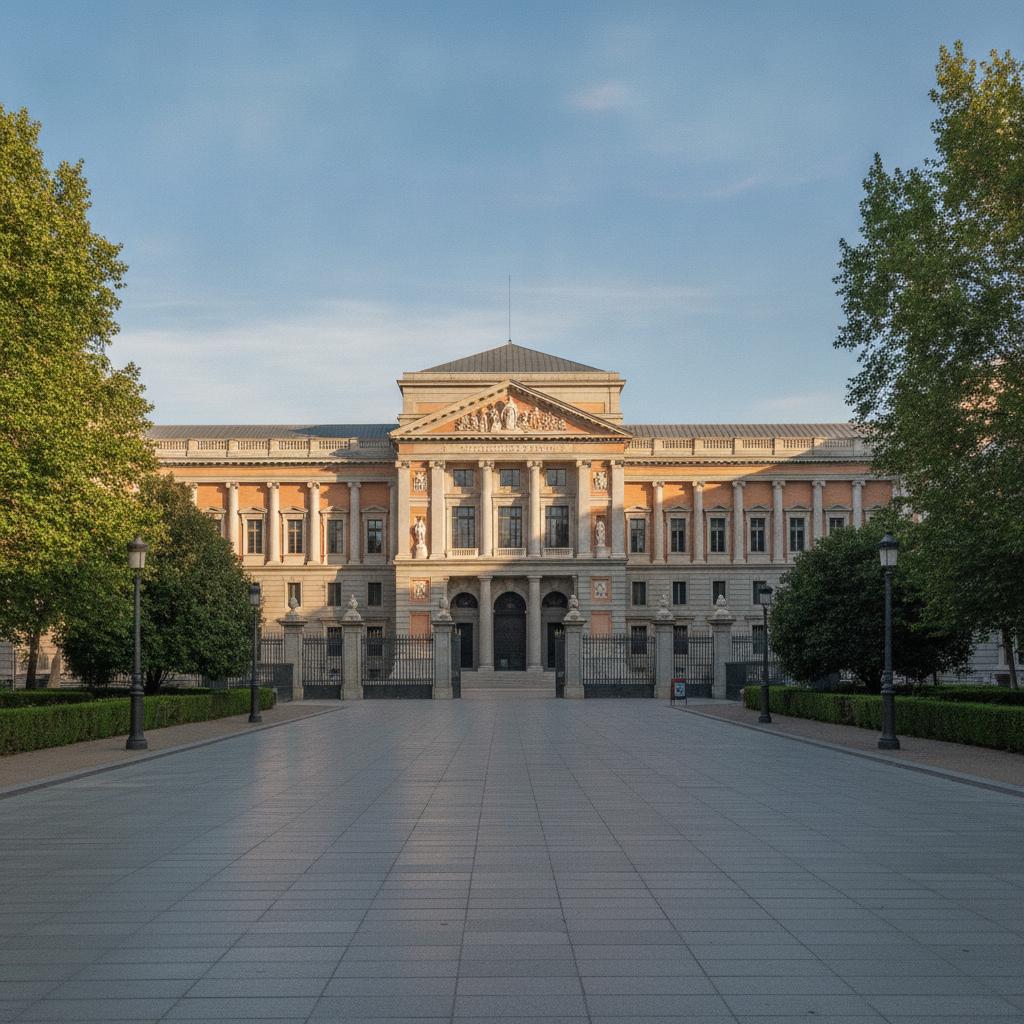
Appointed as the director of the Imperial Museum (Müze-i Hümayun) in 1881, Osman Hamdi Bey banned the export of historical artifacts abroad with the "Asar-ı Atika Regulation" he issued. In order to bring the unique sarcophagi he discovered in the Sidon (Lebanon) excavations to Istanbul, he ensured the construction of the main building we know today as the "Archaeology Museum". Designed by the famous architect Alexander Vallaury, this building is one of the rare structures in the world built specifically as a museum.
Three Distinct Buildings, Three Different Worlds
When you step into the museum garden, three distinct architectural structures from different periods welcome you.
1. The Archaeology Museum (Main Building): One of the finest examples of Neoclassical architecture, the main building resembles an ancient temple itself with the columns and pediment on its facade. The colossal Statue of Bes greeting you at the entrance of this building acts like a guardian of the museum.
Hall of Sarcophagi: This is the most important area of the museum. The Alexander Sarcophagus, brought by Osman Hamdi Bey from the Sidon excavations, is a miracle of stonemasonry with its magnificent battle and hunting scenes. Right beside it, the Sarcophagus of the Crying Women has carved the deep grief of 18 women into marble in such a way that it is impossible not to feel that sorrow when standing before it.
Sculpture of Antiquity: A wide collection of sculptures spanning from the Archaic period to the Roman era proves how the human form reached perfection in art.
2. Museum of the Ancient Orient: This is located right to the left of the main building. Originally built as the Academy of Fine Arts (Sanayi-i Nefise Mektebi), today the building plays host to the pre-Islamic periods of Mesopotamia, Egypt, and Anatolia.
Treaty of Kadesh: A copy (a cuneiform tablet) of the first known written peace treaty in history is exhibited here. This document of diplomacy between the Hittite and Egyptian empires is one of the most significant turning points in world political history.
Ishtar Gate of Babylon: Lion reliefs from Babylon's legendary blue-tiled gate bring the grandeur of Mesopotamia to Istanbul.
3. Tiled Kiosk Museum: It is the oldest structure in the complex. It was built in 1472 by Sultan Mehmed the Conqueror. It is one of the oldest examples of Ottoman civil architecture in Istanbul. Mesmerizing with its tile decorations under Seljuk influence, today this structure houses the most distinguished examples of Turkish tile and ceramic art.
The Spirit of the Museum: The Garden and Atmosphere
The Istanbul Archaeology Museums consists of more than just buildings. The museum's garden has the quality of an open-air museum. Walking under the shade of centuries-old trees among Roman column capitals, Byzantine inscriptions, and Ottoman epigraphs gives the feeling that time has stood still. Having a relaxing coffee at the museum cafe while gazing at the facade of the Tiled Kiosk opposite is enough to understand why Istanbul is described as "the center of the world." On one side the marbles of ancient Greece, on the other the clay tablets of Mesopotamia, and across, the tiles of the Ottomans...
With comprehensive restoration works carried out in recent years, the museum has attained a modern exhibition layout. In particular, earthquake retrofitting, lighting, and display organization works allow you to see the details of the artifacts much more clearly.
Many of the standards that come to mind when "museology" is mentioned in the modern world today were shaped in the corridors of this building. Visiting the Istanbul Archaeology Museums is not merely looking at ancient stones; it is breathing in the wars of Troy, the laws of the Hittites, the grandeur of Rome, and the Ottoman effort to protect cultural heritage all at once. If you are in Istanbul or passing through, set aside at least half a day for this museum. We should also note that half a day might not be enough, because every artifact displayed here is actually a part of the shared story of you, me, and all of us.