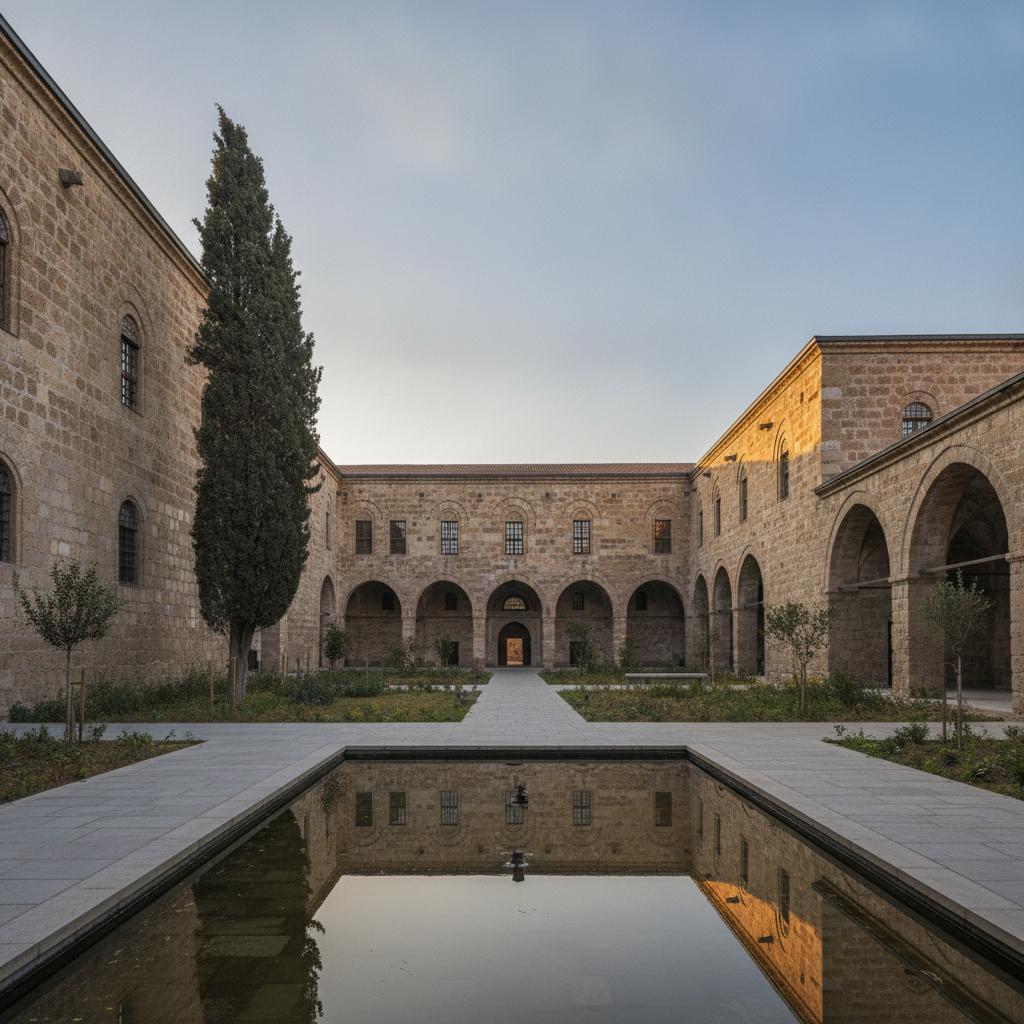
Museum of Anatolian Civilizations
In the second stop of our Turkey Museums series, we leave behind Istanbul’s cosmopolitan imperial heritage and head to the deepest roots of Anatolia, to the lands where history began to be written, right into the heart of Ankara.
The Museum of Anatolian Civilizations is not just a museum; it is one of the world's most important witnesses to humanity's vast journey stretching from hunter-gatherers to settled life, from pottery making to building empires. Located within a historical setting right next to Ankara Castle, this museum is a source of pride that proved its merit on the international stage by being named the "European Museum of the Year" in 1997.
A Venue Steeped in History: Mahmut Paşa Bedesten and Kurşunlu Han
The museum building itself is as precious as the artifacts on display. The museum operates in two 15th-century Ottoman structures: the Mahmut Paşa Bedesten and the Kurşunlu Han. Built by Mahmut Pasha, one of Sultan Mehmed the Conqueror's grand viziers, these structures began to be converted into a museum building in 1921 upon Atatürk's desire to establish "an Ethi (Hittite) Museum at the center."
Today, the mystical atmosphere of the exhibition areas beneath those massive domes and thick stone walls turns into a captivating tunnel that prepares visitors for a trip thousands of years into the past right from their very first step.
A Chronological Journey Through Time
The most important feature that makes the Museum of Anatolian Civilizations special is that its collection is arranged in flawless chronological order. Walking through the museum is like embarking on a journey through the linear flow of time.
1. Paleolithic and Neolithic Ages: First Steps and the Mother Goddess
The journey begins with Paleolithic finds from Antalya's Karain Cave. However, the truly mesmerizing stop is the Neolithic Age (8000–5500 BC) section. Here, we see artifacts from Çatalhöyük, one of the oldest settlements in the world.
The World's First City Plan: The wall painting depicting the houses of Çatalhöyük and the erupting Mount Hasan volcano behind them is considered the first map/landscape painting in human history.
Mother Goddess Figurine: The famous baked-clay figurine seated on a throne between two leopards, symbolizing fertility and abundance, is the earliest form of the "Cybele" cult that would endure for thousands of years.
2. Chalcolithic and Early Bronze Ages: Metal Turned into Art
With the discovery of metal, humanity's dominion over nature begins. The artifacts unearthed from the Royal Tombs of Alacahöyük are the stars of this section.
Hittite Sun Discs: Originally belonging to the Hatti civilization but now a symbol of Ankara, these bronze sun discs represent the most refined examples of the religious and artistic depth of that era. Adorned with deer and bull figures, these standards carry the aesthetic understanding of thousands of years ago to the present day.
3. Assyrian Trade Colonies: The Beginning of Writing in Anatolia
In the 1950s BC, Mesopotamian merchants came to Kayseri Kültepe (Kaniş) and introduced writing to Anatolia. The cuneiform tablets in the museum contain commercial contracts, marriage agreements, and even complaint letters from that era. History ceasing to be "silent" and beginning to "speak" at this point is a spine-tingling detail as you tour the museum.
4. The Hittite Empire: "The People of a Thousand Gods"
Anatolia's first great empire, the Hittites, greets you in the museum's central hall with magnificent reliefs. This immense power, mentioned in the Bible and Egyptian sources, comes to life through stone reliefs brought from Hattusha. The power of the Storm God Teshub, sphinxes, and warriors reflect the unshakeable state structure of the Hittites.
5. Phrygian and Urartian Kingdoms: Midas's Ears and the Iron Masters
Phrygian Section: The wooden furniture recovered from the Gordion Tumulus, the tomb of legendary King Midas's father Gordias (or according to some sources, Midas himself), represents the oldest and best-preserved examples of woodwork in the world.
Urartian Section: Established around Lake Van, the Urartians are known as "iron masters." The metal vessels, belts, and lion-figured drinking vessels (rhytons) in the museum prove how advanced the Urartians were in metallurgy.
An Atmospheric Museum: The Garden and Museum Shop
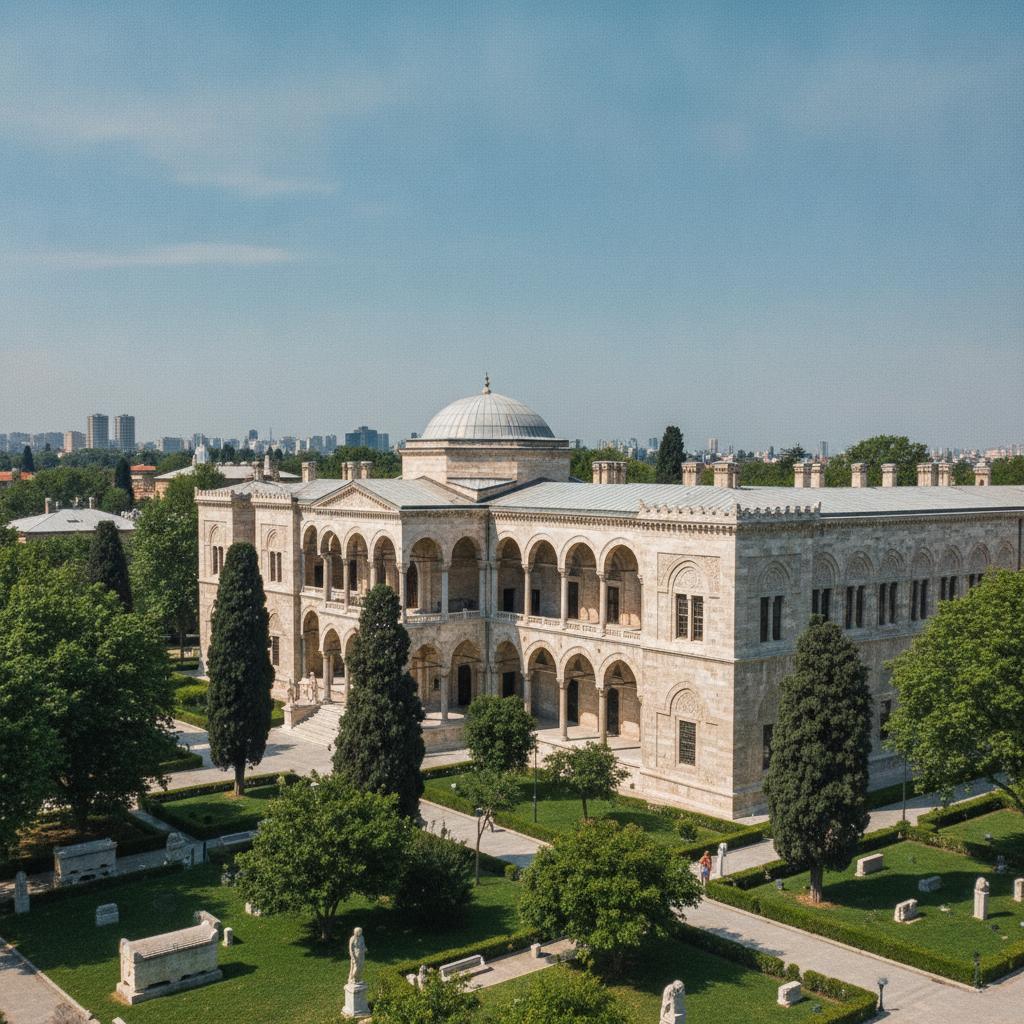
The Museum of Anatolian Civilizations offers tranquility not only through its interior, but also with its garden overlooking Ankara Castle. Watching the view of Ankara amidst the monumental stone works, capitals, and statues displayed in the garden feels like stepping out of the city's gray buildings into a time tunnel spanning thousands of years.
The museum's renovated display arrangement tells the story of each artifact in clear language in both Turkish and English. The lighting is perfectly adjusted to reveal the fine craftsmanship on the objects (especially the cuneiform script and seal impressions on the tablets).
A Little Tip: After visiting the museum, take a walk through the streets of the nearby historic Ankara Castle and crown this historical atmosphere by enjoying an "Ankara Simit."
Why Is This Museum Indispensable?
While the Istanbul Archaeology Museums offer us "classical world heritage," the Ankara Museum of Anatolian Civilizations tells us "our own roots." This place is the most concrete proof of why these lands are called the "cradle of civilizations." A piece of pottery you see here was crafted by someone living on these lands 8,000 years ago; feeling your connection to that person is an experience that goes far beyond traditional museum visits.