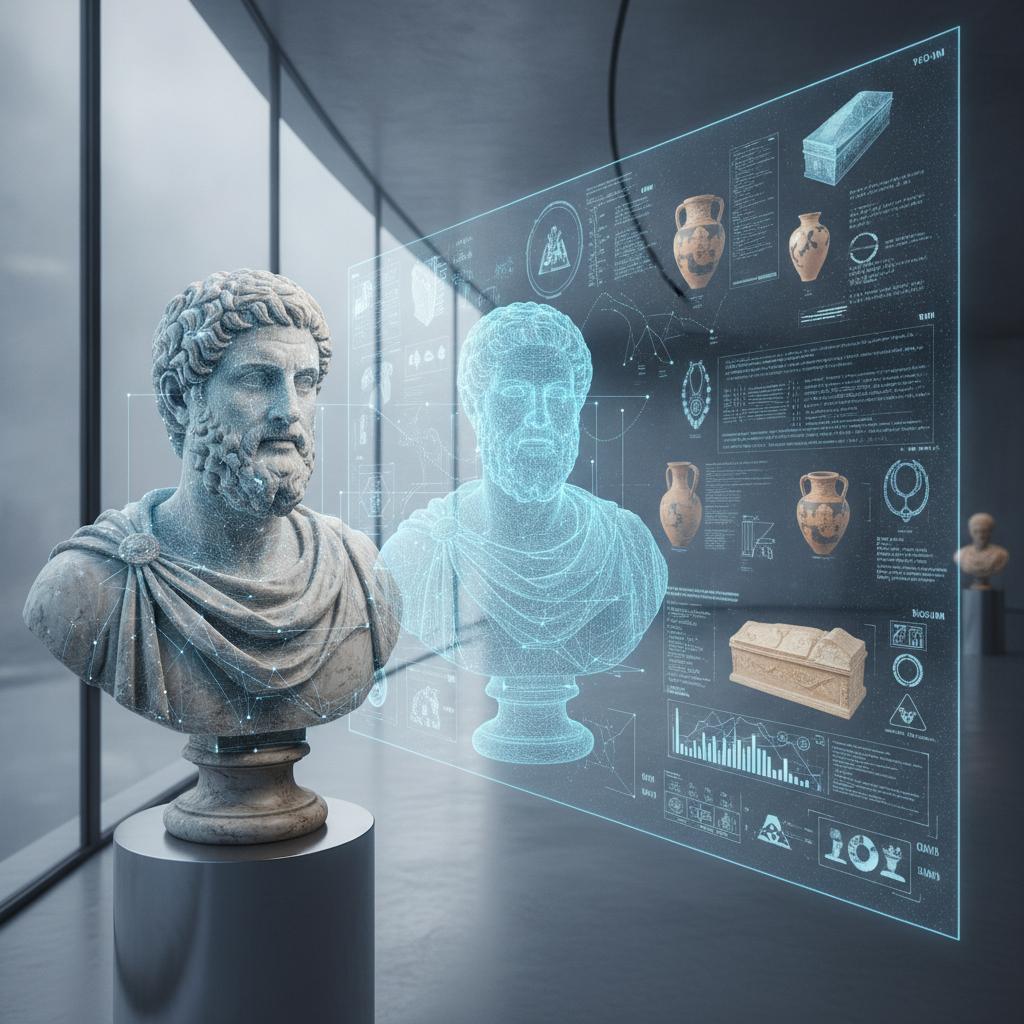
Preservation and Simulation of Museum Artifacts with Digital Twin Technology
The preservation of cultural heritage requires making the physical structure of objects resilient against the destructive effects of time. Rapidly advancing digital technologies today offer innovative approaches in this process that go beyond traditional preventive conservation methods. Prominent among these approaches, digital twin technology has initiated a groundbreaking era in preservation, analysis, and simulation by creating exact virtual replicas of physical artifacts.
What is a Digital Twin and How is it Used in Museology?
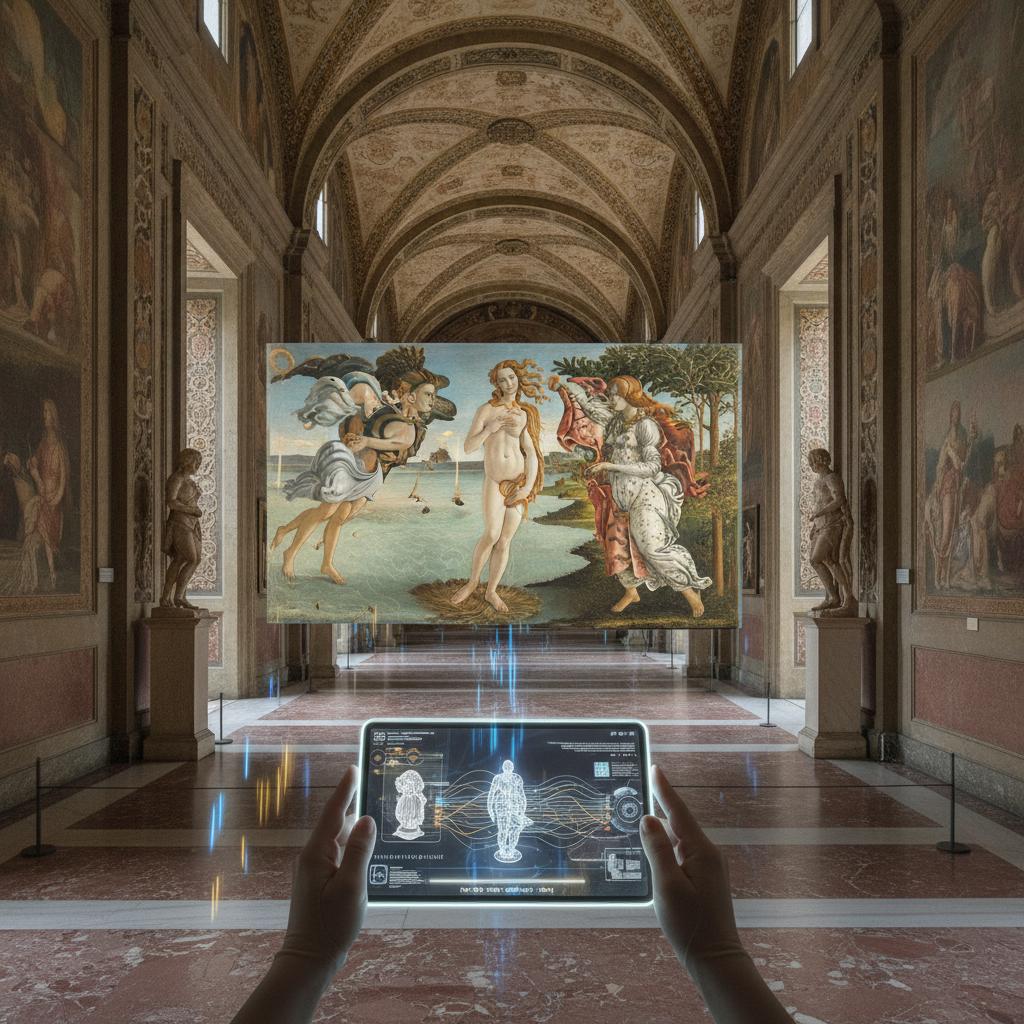
A digital twin is a high-accuracy dynamic virtual model of a physical object or system fed with time-dependent data. In the field of museology, this technology not only creates static three-dimensional visual scans of historical artifacts; it also transfers the chemical, structural, thermal, and environmental attributes of the object into the digital environment. Supported by high-resolution sensors and photogrammetry techniques, these virtual models make it possible to instantly monitor and record even the smallest changes in the artifact's physical condition.
Physical Preservation and Environmental Simulations
Relative humidity, temperature fluctuations, harmful light exposure, and environmental vibrations play a major role in the degradation of museum collections over time. Thanks to digital twin simulations, experts can test different scenarios in a virtual environment without making any intervention to the physical artifact. This method provides the following key contributions to preventive conservation processes:
- Dynamic Risk Analysis: The mechanical response that the artifact would display during potential crises such as earthquakes, floods, or HVAC failures is analyzed in a virtual environment.
- Wear and Deformation Prediction: The time-dependent degradation processes of sensitive materials such as wood, canvas, textiles, or metal are modeled using complex algorithms.
- Microclimate Integration: It becomes easier to detect in advance the stress created on the artifact surface by airflows and humidity levels in museum exhibition halls.
Virtual Restoration and Decision Support Systems
Since physical restoration procedures carry the risk of leaving irreversible marks, every decision must be taken with extreme care. The digital twin offers a sophisticated decision support system to the expert team. Conservators can first simulate the intended chemical or mechanical cleaning techniques on the digital model. In this way, the least invasive and safest method is identified, fully preserving the original texture of the historical artifact.
Sustainable Museum Management and Future Vision
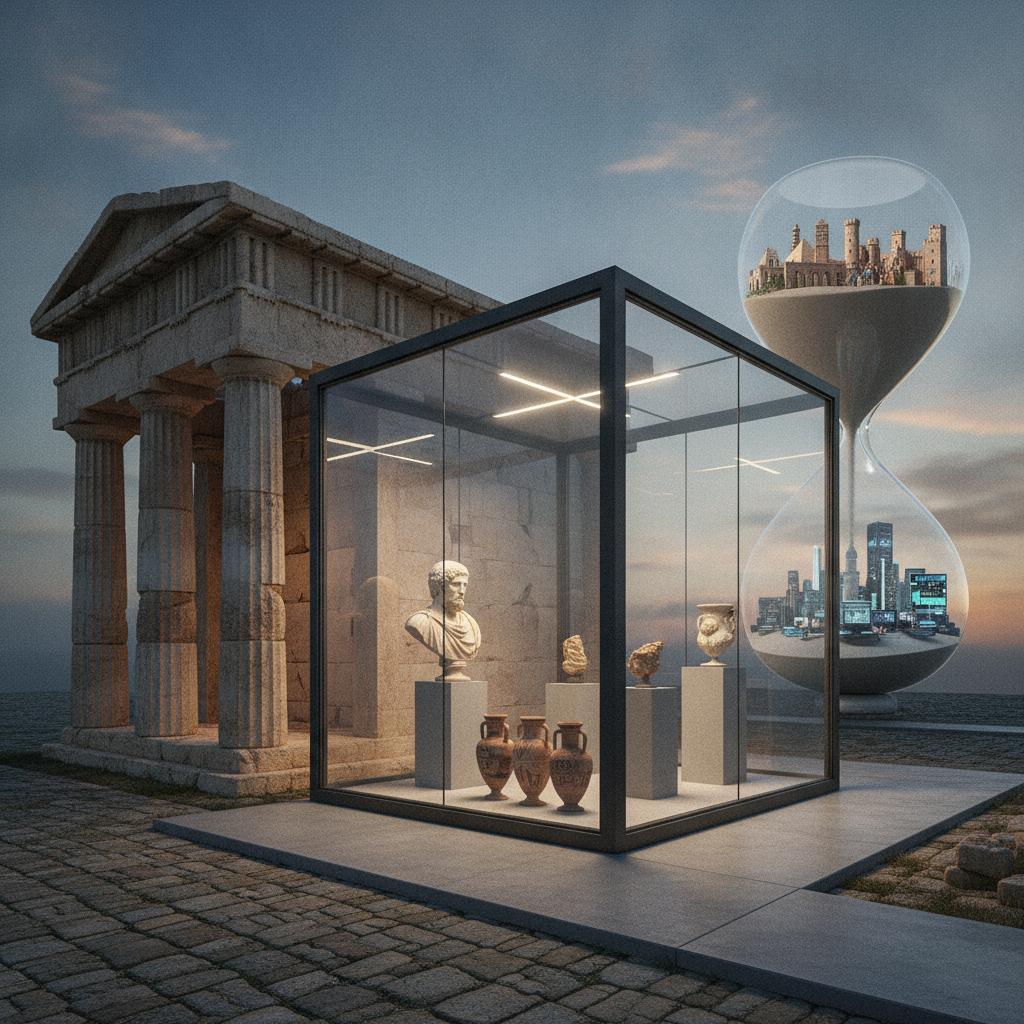
The integration of digital twins with museum automation and building management systems enables the development of smart display cases and climate control solutions. The continuous stream of data from sensor networks keeps the digital twin constantly updated, allowing object-specific micro-preservation conditions to be adjusted automatically. Consequently, digital twin technology establishes a sustainable, scientific, and reliable standard for transferring cultural assets to future generations without losing their authenticity.