Pergamon Museum: Monumental Architecture, Reconstruction, and Curatorial Approaches
Located on Berlin's Museum Island, the Pergamon Museum is one of the most magnificent and monumental archaeological display spaces in the world. The comprehensive renovation process it is undergoing in line with the Museum Island Master Plan aims to integrate modern museum standards while preserving historical heritage.
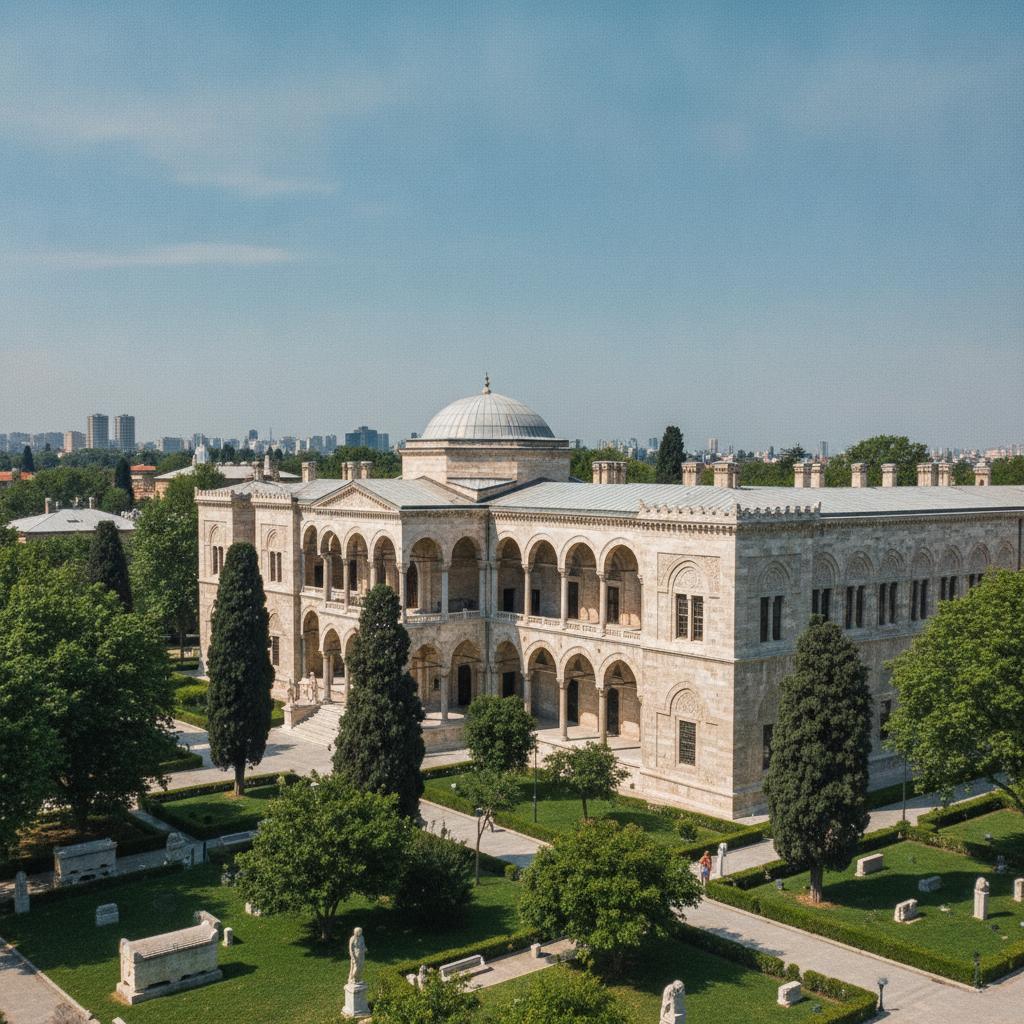
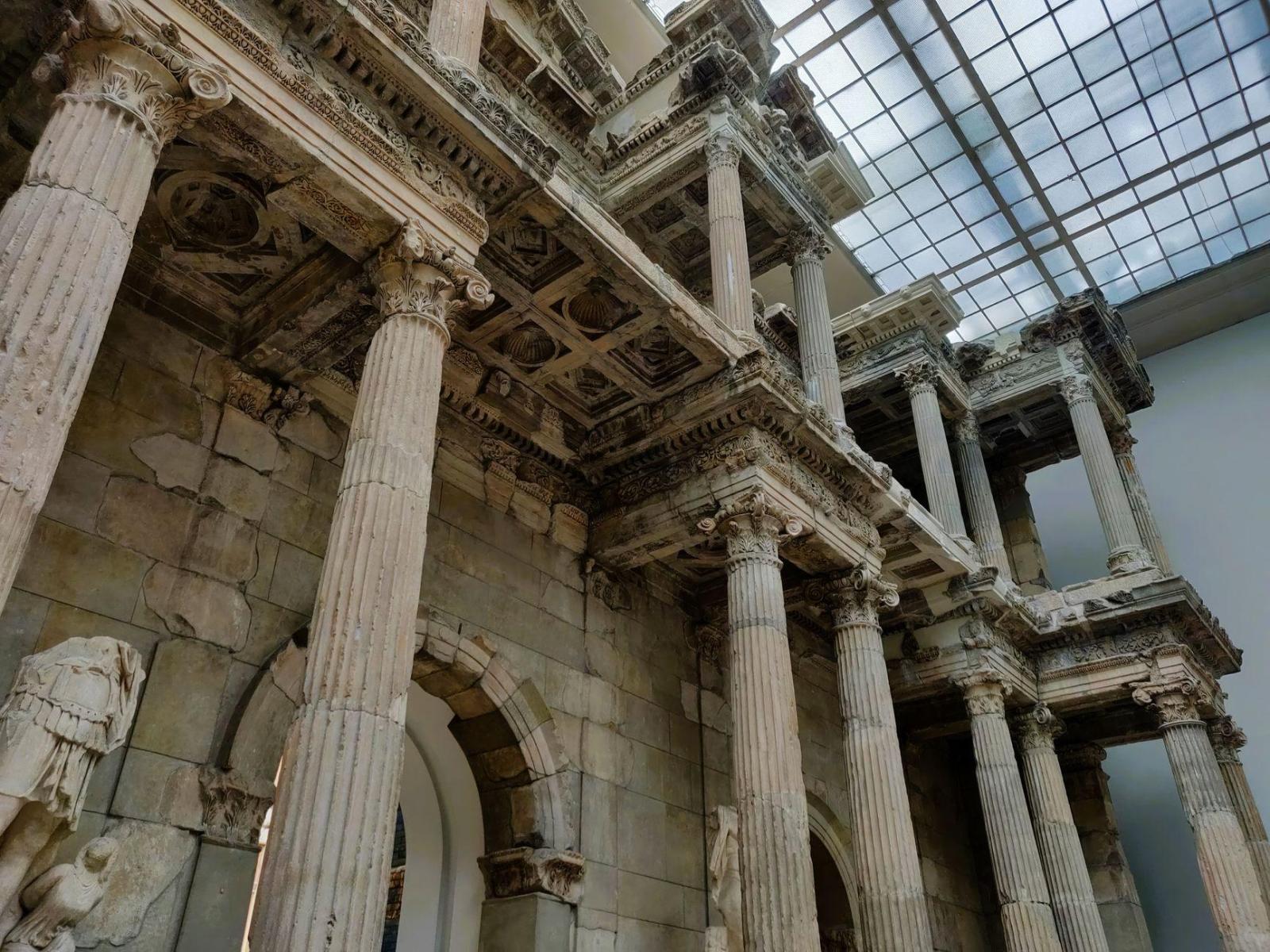
2>Design: Architectural Language and Spatial OrganizationDesigned by Alfred Messel and completed by Ludwig Hoffmann, the building features a neoclassical style. The museum's architectural language was directly shaped by the dimensions of the massive ancient structures to be housed within it. The halls where monumental works such as the Pergamon Altar, the Ishtar Gate of Babylon, and the Market Gate of Miletus are positioned in their original dimensions possess a unique spatial organization that allows visitors to directly feel the scale of the structures.
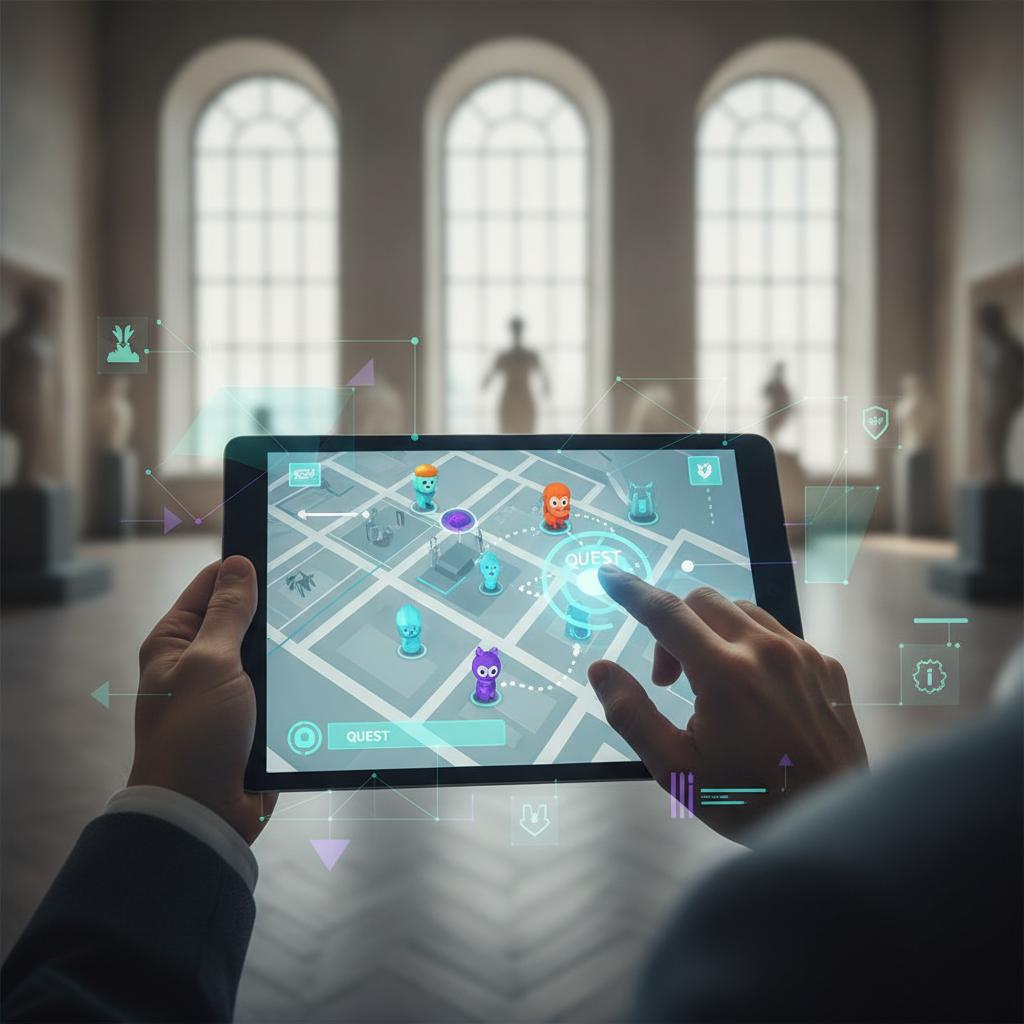
2>Technology: Digital Exhibition and Innovative ApplicationsDuring the restoration and modernization process, the museum produced digital solutions for sections that are physically closed. Thanks to three-dimensional scanning technologies, virtual reality experiences, and digital guides, artifacts can be examined in detail. Digital documentation methods facilitate the restoration tracking of delicate stone surfaces, while interactive screens used in exhibition spaces enrich the historical context of the works.
2>Art: Collection and Curatorial ApproachThe Pergamon Museum consists of three main sections: the Antiquity Collection, the Museum of the Ancient Near East, and the Museum of Islamic Art. The curatorial approach is based on the principle of reconstructing the urban architecture and socio-cultural structure of the period from which the artifacts originated, rather than presenting them as detached objects. This method gives visitors the feeling of stepping into specific moments in history.
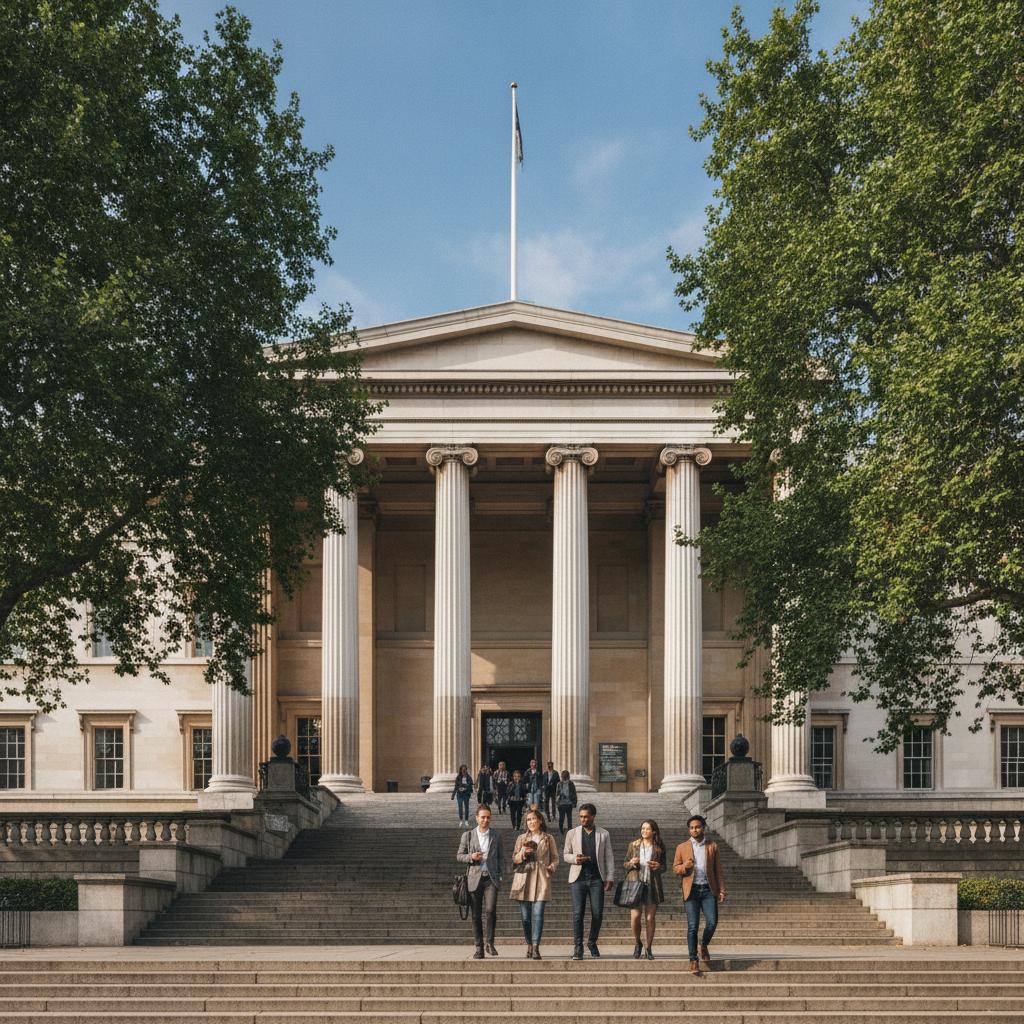
2>Functionality: Visitor Routes and Operational EfficiencyThe ongoing monumental renovation project aims to reorganize circulation within the museum. Increasing barrier-free access routes, improving climate control systems, and the Archaeological Promenade project, which will provide connections with other Museum Island buildings, promise to maximize operational efficiency and visitor comfort.
2>Budget and Cost TypesThe museum's comprehensive renovation and preservation efforts are funded with public resources by the German federal government and relevant official institutions. The restoration budget is allocated to different cost items such as structural reinforcement of the historical building, transportation and preservation of delicate artifacts, and modernization of technological infrastructure.
2>Frequently Asked QuestionsWhy is the Pergamon Museum undergoing a long-term restoration process?
Restoration is being carried out to bring the physical conditions of the historical building up to modern standards, protect monumental structural parts, and increase visitor accessibility.
What main sections are located in the museum?
The museum includes three main sections: the Antiquity Collection, the Museum of the Ancient Near East, and the Museum of Islamic Art.
How are artifacts displayed during the renovation process?
While some areas are temporarily closed to visitors during the restoration, artifacts continue to be presented to the public through digital exhibitions, 3D modeling, and special panorama exhibitions.