Natural History Museum London: Neo-Gothic Architecture and Interactive Experience
The Natural History Museum in London is one of the world's most respected scientific and cultural institutions. Welcoming millions of visitors each year, it impresses with both its architectural grandeur and its massive natural science collection. In this review, we examine all dimensions of the museum, from its architectural design and technological innovations to its curatorial approach and operational structure.
Design: Architectural Language and Aesthetic Approach
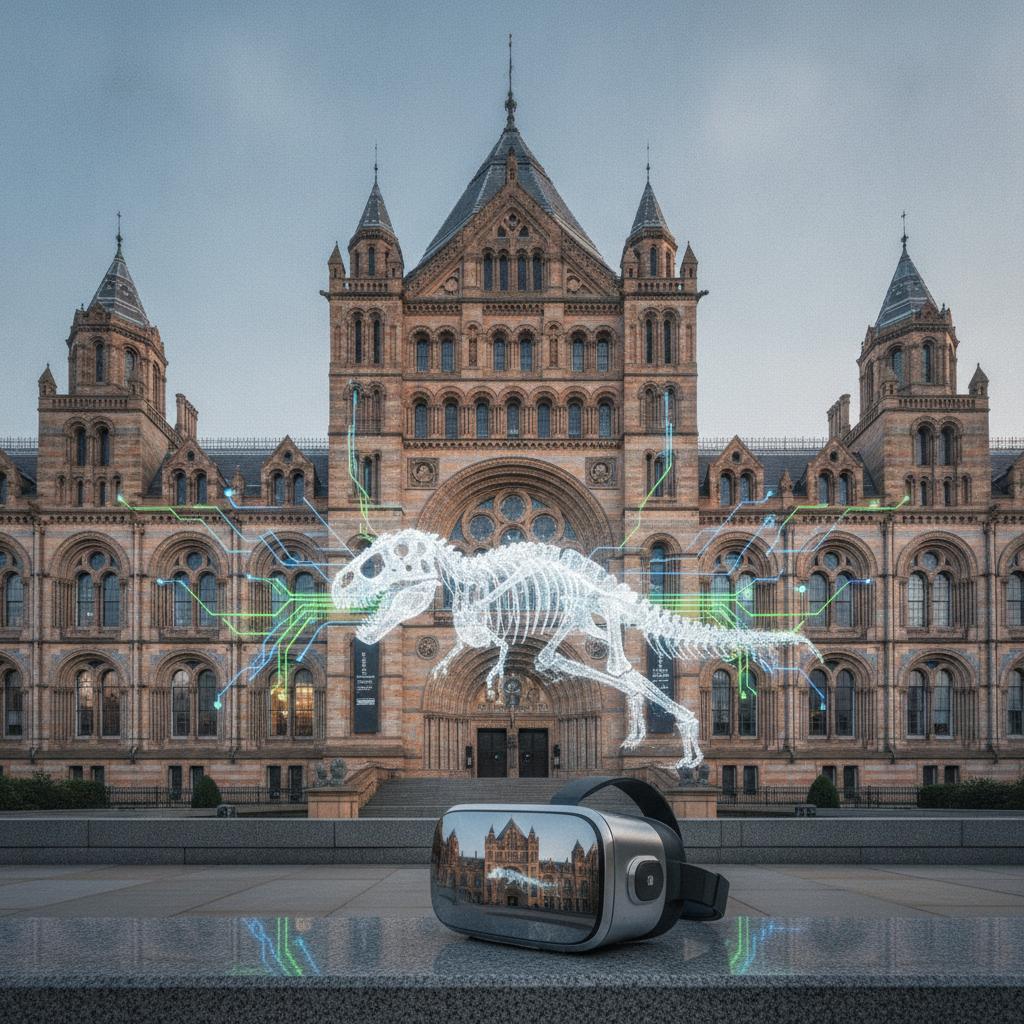
Designed by Alfred Waterhouse, the museum building is one of the most striking examples of Neo-Gothic architecture. Built in the late 19th century, the structure evokes the feel of a cathedral dedicated to nature. Terracotta decorations on the façade and towers reflect Victorian era aesthetics. Hintze Hall, the main hall, is a central focal point that mesmerizes visitors with its high vaulted ceiling and spacious spatial design.
Technology: Digital Display and Interactive Systems
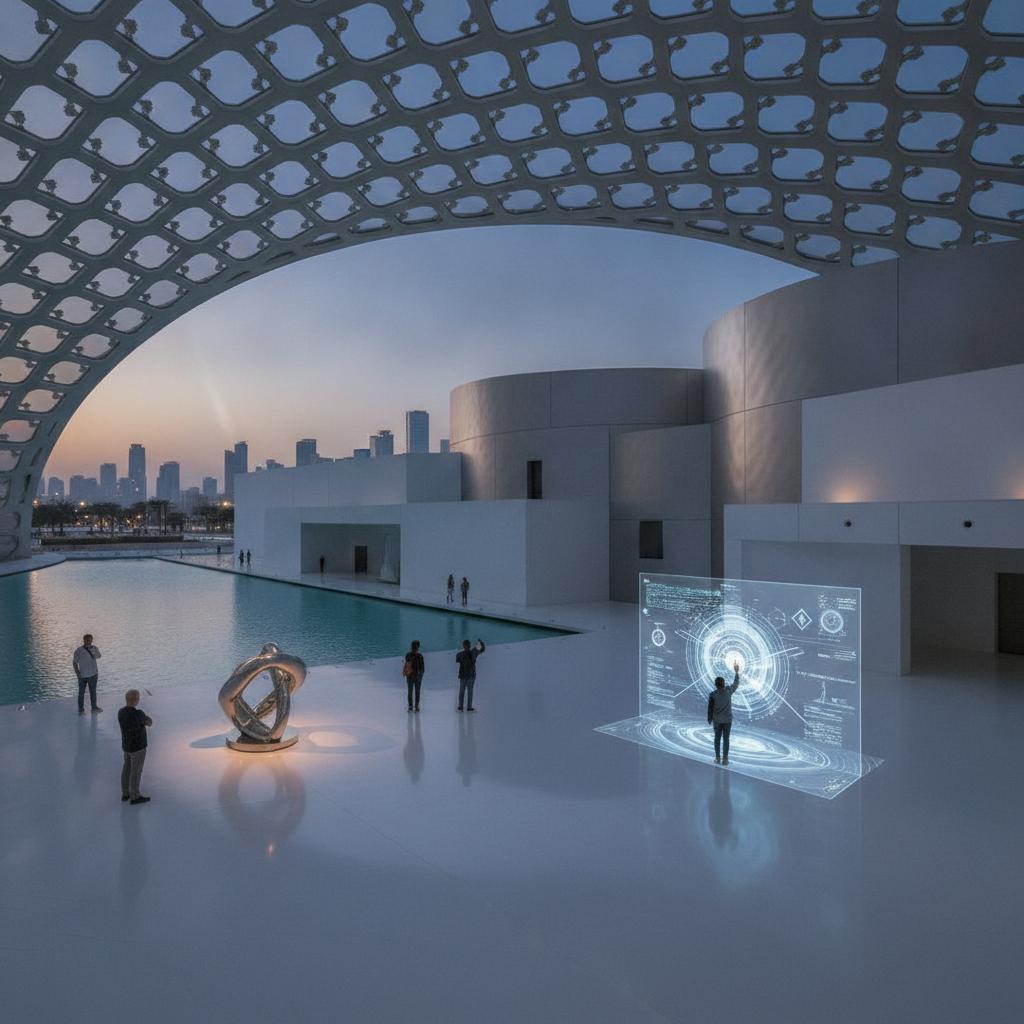
Blending traditional display methods with modern technology, the museum offers an innovative learning environment. Digital touchscreens, augmented reality applications, and interactive simulations used in exhibitions increase the interest of young visitors in particular towards natural sciences. Dynamic setups like the earthquake simulator provide visitors with an active experience in the learning process.
Art and Curatorial Approach
The museum's collection contains tens of millions of specimens ranging from botany to zoology, entomology to paleontology. The curatorial team presents objects not merely as visual elements, but as stories telling the evolutionary history of the planet. Hope, the massive blue whale skeleton suspended in Hintze Hall, is a symbol of a modern curatorial approach raising awareness for nature conservation.
Functionality and Operational Efficiency
In order to manage the heavy visitor flow, internal circulation routes are meticulously planned. Gallery zones divided by color codes make navigation easier for visitors. Furthermore, space utilization is highly practical thanks to wheelchair-accessible ramps, elevators, and wide corridors.
Budget and Financial Structure
The museum is funded through public funds, sponsorships, donations, and commercial activities. The free entry policy for permanent exhibitions increases public access, while operating expenses are balanced with government support and private revenue.
Frequently Asked Questions
Is there an admission fee for the Natural History Museum London?
Entry to permanent collections is completely free. However, tickets may be required for special temporary exhibitions and certain events.
Who designed the museum's iconic Neo-Gothic building?
The museum building was designed by the famous Victorian architect Alfred Waterhouse.
Is the museum accessible for disabled visitors?
Yes, the museum features wheelchair-accessible ramps, elevators, and dedicated accessibility facilities.